Arabfields, Maleeka Kassou, East, West and Central Africa Agriculture Correspondent — Guinea is strengthening agricultural cooperation with China and Brazil as it seeks to accelerate domestic rice production and reduce its dependence on imports, placing one of the country’s most important food staples at the centre of its wider food security strategy.
Rice remains a daily necessity for millions of Guinean households, but domestic production has struggled to keep pace with growing demand. The resulting dependence on international markets has left consumers and traders exposed to fluctuations in global prices, shipping costs and supply disruptions.
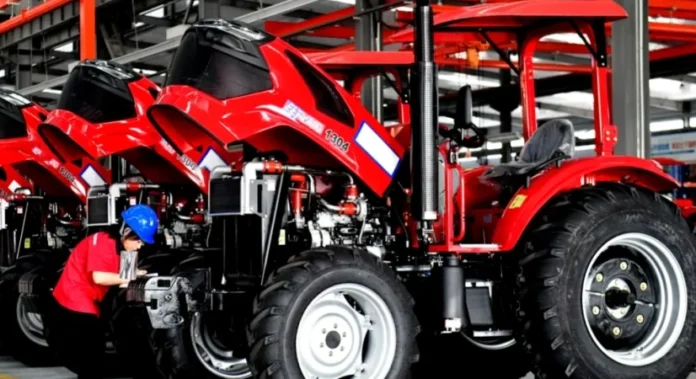
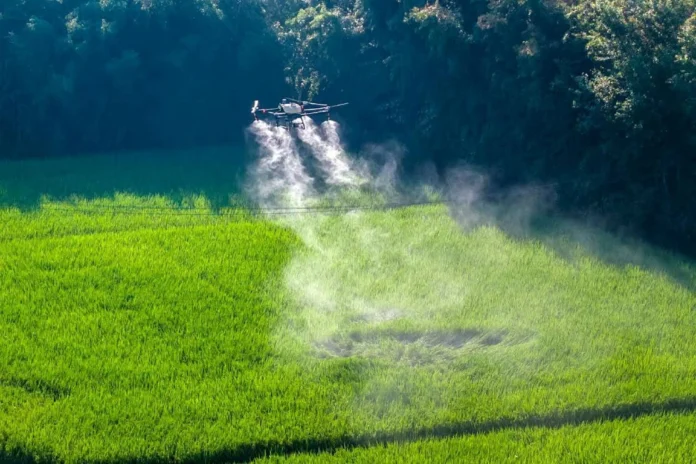
The government’s latest push focuses on deeper technical and agricultural partnerships with China and Brazil, two countries with extensive experience in improving crop productivity and developing large-scale farming systems. The cooperation is expected to support Guinea through improved seeds, farming technology, mechanisation and stronger agricultural expertise.
For farmers, however, the strategy carries expectations that go beyond national production figures.
In rural communities, access to machinery, irrigation and higher-yielding seeds could make the difference between subsistence farming and a commercially viable harvest. Small producers remain central to Guinea’s rice economy, meaning the success of the national strategy will depend heavily on whether new technologies and investment reach farms outside the country’s main urban centres.
China’s involvement could help Guinea expand access to agricultural equipment and technical support, while Brazil brings significant expertise in tropical agriculture and productivity improvements. The combination of the two partnerships reflects Guinea’s effort to draw on international experience while adapting solutions to local farming conditions.
The challenge is considerable. Rice consumption continues to rise alongside population growth and urbanisation, increasing pressure on domestic supply. Imports have traditionally filled the gap, creating a significant financial burden and exposing the country to developments beyond its borders.
In 2026, the government’s strategy is increasingly focused on narrowing that gap. If investment in irrigation, mechanisation and improved farming techniques is sustained, Guinea could progressively raise yields and reduce the share of national consumption covered by imports over the coming years.
The outlook will nevertheless depend on implementation. Agricultural projects often face obstacles ranging from inadequate rural infrastructure and limited financing to difficulties in distributing equipment and inputs to smaller farmers.
For Guinea’s consumers, the benefits of greater self-sufficiency could eventually be felt in more stable supplies and reduced exposure to international price shocks. For farmers, higher productivity could create opportunities for increased incomes, particularly if improvements in production are accompanied by better storage, transport and access to markets.
Looking ahead, the partnerships with China and Brazil could become an important test of Guinea’s broader agricultural ambitions. Continued investment and effective technology transfer could put the country on a stronger path towards rice self-sufficiency during the next several years.
But the pace of progress will ultimately be measured in the fields. Whether Guinea can transform international cooperation into larger harvests and more affordable rice for ordinary households will determine how quickly its goal of greater food independence becomes a reality.