Arabfields, Meriem Senouci, Correspondent, Hanoï, Vietnam — Vietnam’s agricultural sector remains on track for another strong year of export growth, but mounting concerns over extreme weather conditions are casting uncertainty over the outlook for the months ahead.
The country’s agricultural exports reached approximately $30.7 billion during the first half of 2026, representing an increase of more than 9 percent compared with the same period a year earlier. Strong performances from seafood, forestry products and livestock shipments have supported the sector’s expansion, while demand from major trading partners continues to grow.
Officials say exports to China have recorded some of the strongest gains this year, while shipments to the European Union and Japan have also expanded steadily. The positive momentum has encouraged authorities to maintain a national export target of between $73 billion and $74 billion for agricultural products in 2026.
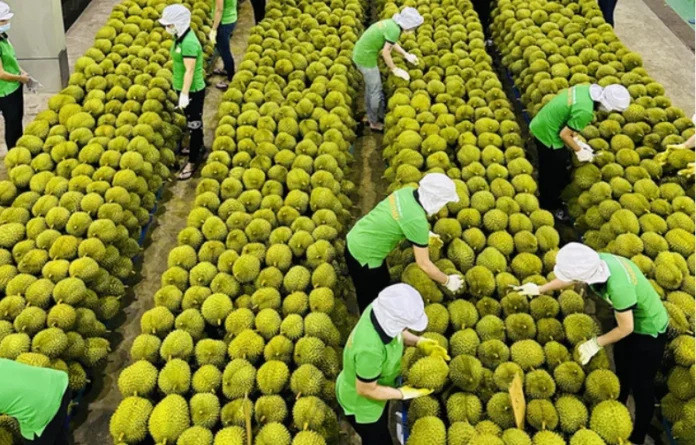
At a fruit packing facility in southern Vietnam, workers continue preparing shipments destined for overseas markets. Exporters report that international demand remains resilient despite growing competition and increasingly strict quality requirements in key importing countries.
Farmers have also benefited from improved market access through trade agreements that have helped Vietnamese products strengthen their presence abroad. Many producers are investing in higher-value crops and adopting stricter production standards to meet evolving consumer expectations.
However, industry leaders warn that weather-related risks could become the biggest challenge during the remainder of the year. Meteorologists expect El Niño conditions to contribute to higher temperatures and below-average rainfall across several agricultural regions, increasing the likelihood of drought and water shortages.
Forecasts indicate that temperatures during the final months of 2026 could rise significantly above historical averages. Northern regions may experience more frequent and intense heatwaves, while central and southern areas face the prospect of prolonged dry conditions that could affect crop yields and water availability.
In the Mekong Delta, one of the country’s most important agricultural zones, producers are already preparing for potential drought and salinity intrusion. Local authorities have encouraged farmers to adjust planting schedules and adopt crop varieties better suited to challenging environmental conditions.
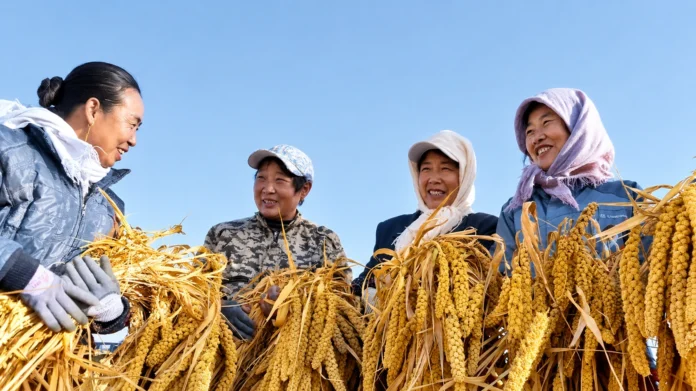
Nguyen Van Hung, a rice farmer in the delta region, said growers are paying close attention to weather forecasts. “We have had successful harvests so far, but everyone knows that a few months of severe drought can change the situation very quickly,” he said.
Government agencies have intensified monitoring efforts and are coordinating water management plans with provincial authorities. Investments in irrigation infrastructure and climate-resilient farming techniques are expected to play an increasingly important role in protecting production.
Despite the challenges, analysts remain cautiously optimistic about the sector’s prospects. Continued demand from international markets, combined with efforts to improve traceability, food safety and product quality, should support export growth over the coming years.
Looking ahead, agricultural exports could surpass $80 billion annually before the end of the decade if Vietnam successfully strengthens climate resilience and expands access to high-value markets. The sector’s long-term performance will depend not only on trade opportunities but also on its ability to adapt to increasingly unpredictable weather conditions.
For now, producers, exporters and policymakers share the same objective, maintaining growth while safeguarding agricultural production against the growing impact of climate change.