Arabfields, Naïla Mokhtari, Special Economic Correspondent, São Paulo, Brazil — Brazil is moving closer to becoming the world’s largest agricultural exporter, narrowing the gap with the United States as strong harvests, expanding farmland and rising overseas demand continue to fuel the country’s agribusiness sector.
Trade data released during 2026 show Brazil maintaining impressive momentum after a record performance the previous year. Agricultural exports reached approximately US$87 billion during the first half of 2026, a 6% increase from the same period a year earlier. The country had already exported a record US$169.2 billion in agricultural products in 2025, placing it just behind the United States, whose farm exports totaled US$171.3 billion.
Brazil’s success reflects decades of investment in modern farming techniques, logistics and scientific research. Large-scale producers have expanded production of soybeans, corn, beef, poultry and cotton, while many farms are able to harvest two crops from the same land within a single year, improving productivity and reducing production costs. Cotton exports have been particularly strong, with container shipments increasing by more than 24% compared with last year.
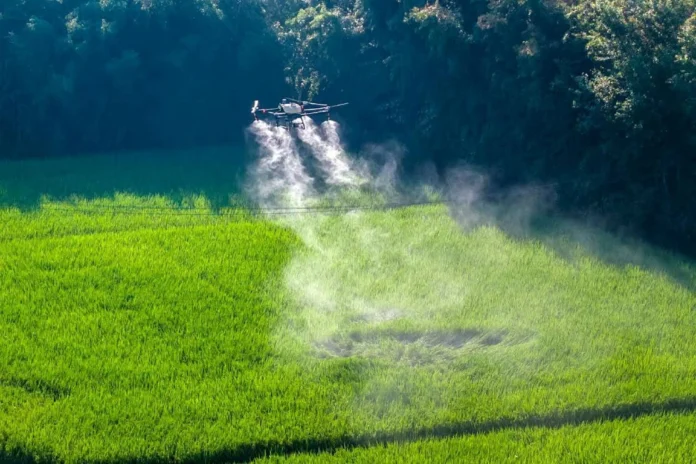
Farmers say technology has transformed daily operations. Paulo Mendes, a soybean producer in Mato Grosso, explained that satellite monitoring, precision agriculture and improved irrigation systems have helped maintain high yields despite changing weather conditions. Export companies have also increased investments in port infrastructure to move larger volumes of agricultural commodities to international markets more efficiently.
China remains one of Brazil’s most important customers, while demand from the Middle East and Southeast Asia continues to expand. At the same time, Brazilian exporters are adapting to shifting global trade conditions as geopolitical tensions reshape supply chains and encourage buyers to diversify their sources of food and agricultural commodities.
Industry analysts believe Brazil could overtake the United States as the world’s leading agricultural exporter if current growth trends continue through the end of the decade. Continued investments in transportation networks, storage capacity and sustainable farming practices are expected to strengthen the country’s competitive position. However, experts caution that climate risks, infrastructure bottlenecks and changing international trade policies could still influence the pace of future expansion.
Despite these challenges, confidence across Brazil’s agricultural sector remains high. Producers, exporters and logistics companies expect international demand for food to continue rising, giving the country an opportunity to reinforce its position as one of the world’s most important suppliers of agricultural products over the coming years.