Arabfields, Naïla Mokhtari, Special Economic Correspondent, São Paulo, Brazil — When tragedy struck Venezuela with a devastating earthquake, the response from neighbouring countries was swift and heartfelt. Aid teams crossed borders without hesitation, driven by a shared language, a common history, and a deep sense of regional brotherhood. That same spirit, however, has been surprisingly slow to translate into the business of fruit, but that is now changing at a remarkable pace.
For decades, the only significant intra-regional trade in fresh produce was limited to apples and pears, with Chile and Argentina supplying two-thirds of all pome fruit shipments to Latin American markets. Yet recent data reveals a dramatic shift. In categories ranging from tangerines to table grapes, avocados to cherries, between 10 and 40 percent of total exports are now being absorbed by neighbouring countries. This is not a minor adjustment; it is a structural transformation that is reshaping the region’s agricultural landscape.
The advantages of trading within Latin America are both practical and profound. The shared language, with the notable exception of Brazil where “Portuñol” bridges the gap, simplifies negotiations and marketing. More importantly, the continent’s extraordinary agroclimatic diversity creates a natural complementarity. Northern regions specialise in tropical and subtropical fruits, while southern countries excel in temperate varieties that require winter chill. This geographical and seasonal harmony means that a fruit harvested in winter in Peru can be sold in Chile during its summer, creating a year-round cycle of supply that benefits everyone.
Take avocados as a prime example. Peruvian growers harvest their fruit on the coastal plains during the winter months, while Chilean avocados ripen in the summer in the Andean valleys. Argentina, meanwhile, has become a major market for Chilean avocados, receiving 20 percent of its total exports. Brazil and Peru also send their avocados to Argentina, creating a complex web of trade that keeps shelves stocked throughout the year. The seasonal complementarity is so pronounced that most countries have become both importers and exporters, a sign of a mature and responsive market.
The story of table grapes tells a similar tale. In the last season, between 12 and 15 percent of South American table grape exports remained within the region. Mexico has emerged as the primary destination, with Peru sending 10 percent of its crop northwards. Colombia, Argentina, and Brazil are also significant buyers. This trend is recent but firm, reflecting a growing appetite for high-quality regional produce rather than relying solely on distant markets in North America, Europe, or Asia.
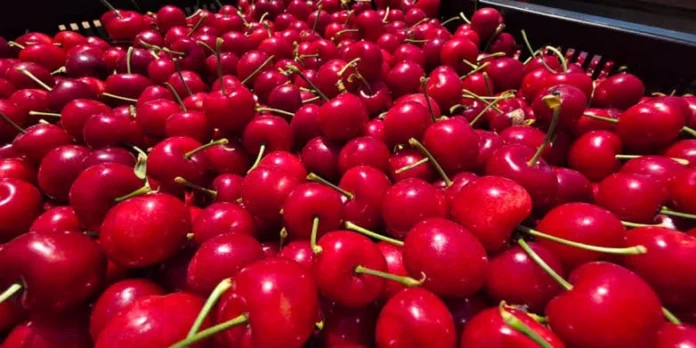
Perhaps the most surprising development is in citrus, specifically tangerines. These delicate fruits require a special climate, with cold winters and good thermal amplitude to achieve the right internal and external quality. Peru, Chile, Argentina, and Uruguay have all increased their shipments to Brazil, Colombia, Mexico, and Paraguay. The volumes are still modest compared to apples, but the growth trajectory is steep. Cherries, on the other hand, are only just beginning their regional journey. The fruit requires significant cold and is currently grown only in central and southern Chile and Argentina. Almost all exports still go to northern hemisphere markets, but the prospects for regional sales are bright, especially during holiday seasons when Latin Americans seek out these special, festive fruits.
Looking ahead to 2026 and beyond, the data points to continued expansion. Brazil’s role as the dominant receiver of apples and pears from Chile and Argentina remains critical, but its local production fluctuations have created a volatile import pattern. In years of poor local harvests, imports soared; in seasons of recovery, they dropped sharply. This dependency on a single large buyer poses a risk, which is why exporters are actively diversifying. Colombia, for instance, imported 87,000 tons of Chilean apples in 2025, making it a formidable second market.
The future of Latin American fruit trade will also be shaped by logistics. Geographical proximity allows for cheaper overland trucking, reducing reliance on expensive sea and air freight. This is a crucial advantage at a time when global shipping costs have skyrocketed, putting pressure on profit margins. Shorter distances also mean fresher fruit, a quality that increasingly matters to discerning consumers. Frequent visits, trade fairs, and personal relationships between sellers and buyers are easier to maintain, adding a human touch that long-distance trade often lacks.
Yet the boom is not without its challenges. Climate change poses a real threat to the delicate balance of harvest seasons, with unpredictable weather patterns affecting yields and quality. Political and economic instability in some countries, as seen recently in Venezuela, can disrupt supply chains overnight. Infrastructure, particularly cold chain logistics, remains uneven across the region, limiting the ability to move large volumes quickly and safely.
Despite these hurdles, the mood among growers and exporters is overwhelmingly optimistic. The regional market is no longer an afterthought but a strategic priority. As Betina Ernst, an agricultural engineer and president of a consulting firm, noted, the shift reflects a broader realisation that Latin America’s strength lies not just in its diversity, but in its unity. The fruit business, after decades of looking outward, is finally turning inward. And in doing so, it is discovering that the best neighbour is not just one who helps in times of crisis, but one who buys your apples, enjoys your avocados, and shares your table grapes with genuine appreciation. The coming years will likely see this trend accelerate, turning Latin America into a true fruit powerhouse for its own people.