Arabfields, Sophia Daly, Financial Analyst specialized in Agriculture and Futures Markets — The global rice market remained relatively stable as strong production in major exporting countries continued to support international trade. Prices showed moderate movements during recent trading sessions as buyers balanced ample supplies with steady consumer demand across Asia, Africa and the Middle East.
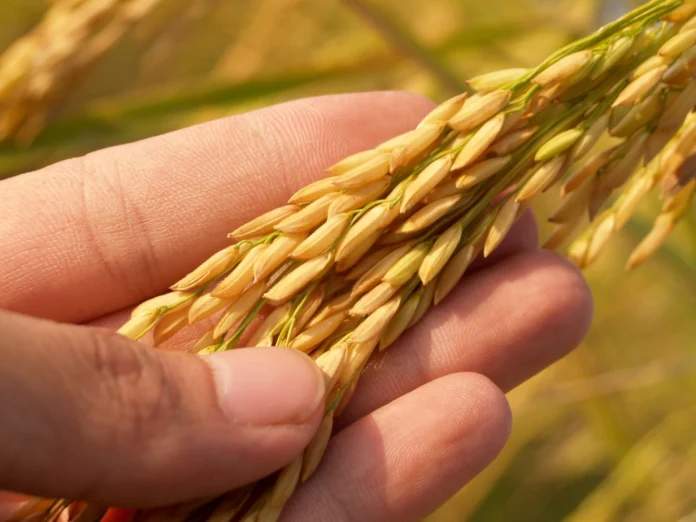
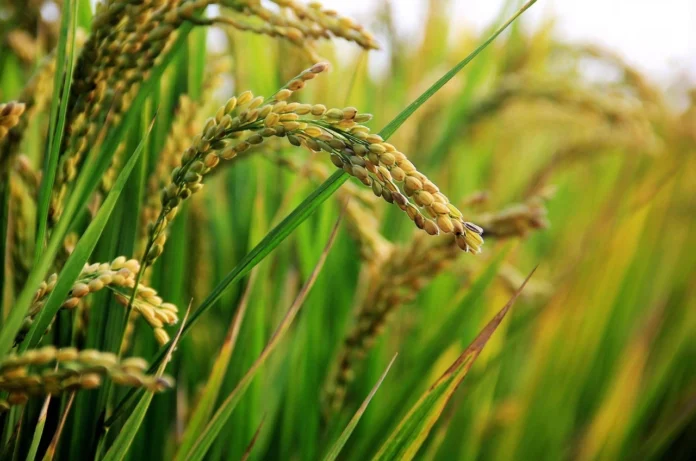
India, Thailand, Vietnam, Pakistan and the United States remained the world’s leading rice exporters in 2026. Improved harvests in several producing regions helped increase export availability, while favorable weather conditions in many growing areas contributed to higher yields. Importing countries continued to secure supplies to strengthen food security and maintain domestic inventories.
Global rice trade remained active as demand increased from both household consumers and the food processing industry. Governments in several importing nations continued to build strategic reserves, while private buyers expanded purchases to meet growing consumption driven by population growth and urbanization.
Industry estimates indicate that the global rice market exceeded USD 320 billion in 2026, supported by record production and resilient international demand. Worldwide rice output reached new highs, allowing exporters to meet rising import requirements while maintaining relatively stable market conditions. Despite periodic freight and currency fluctuations, international shipments continued at a steady pace.
Farmers reported that investments in improved seed varieties, irrigation systems and precision farming technologies helped increase productivity. At the same time, producers remained attentive to climate related risks, including droughts and flooding, which continue to influence harvest prospects in several regions.
Looking ahead, analysts expect the global rice market to continue expanding over the next few years. Population growth, increasing food consumption and continued investment in agricultural productivity are expected to support higher production and trade volumes. While extreme weather events and geopolitical uncertainties may create temporary price volatility, the long term outlook remains positive as global demand for rice is projected to grow steadily.