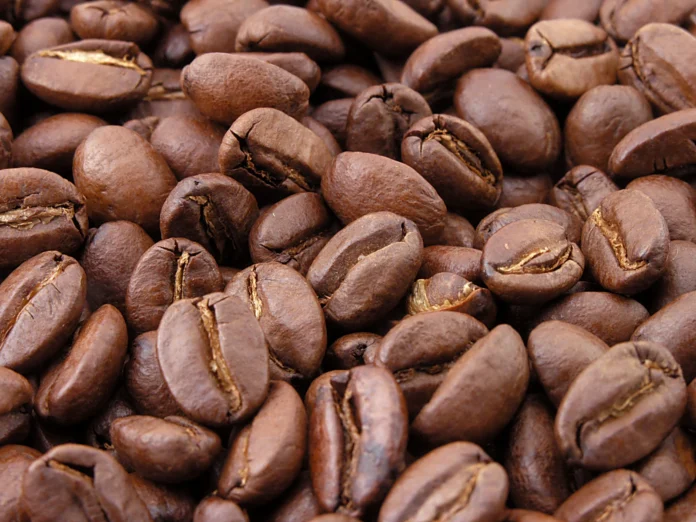
Arabfields, Sophia Daly, Financial Analyst specialized in Agriculture and Futures Markets — Global coffee production is expected to reach a historic milestone in the 2026/27 marketing season, reflecting stronger harvests across several major producing countries and improving supply conditions after years of weather related disruptions. The latest agricultural outlook points to worldwide production climbing to approximately 189.7 million 60 kilogram bags, an increase of about 6 percent from the previous season, while exports are projected to rise nearly 9 percent to around 158.9 million bags. Global consumption is also forecast to expand by roughly 3.6 percent, reaching a new record as coffee demand continues to grow in both established and emerging markets.
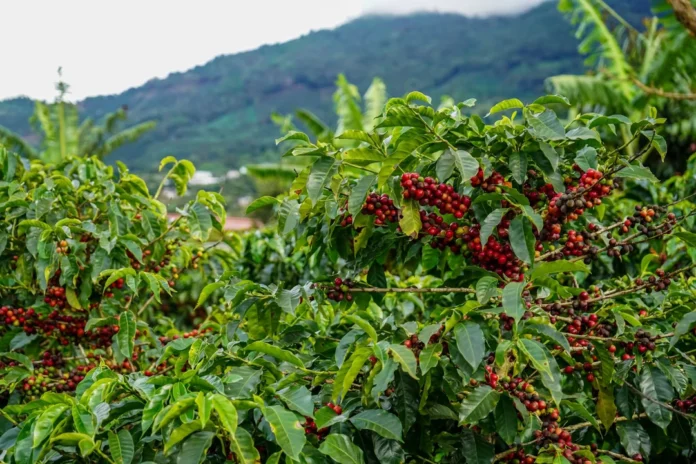
Brazil is expected to play the leading role in this expansion. Favorable weather conditions and the positive phase of the country’s biennial production cycle are supporting what could become its largest coffee harvest on record. Higher arabica output is expected to offset a slight decline in global robusta production, leaving total supplies comfortably above last year’s level. Farmers in several coffee producing regions have welcomed the improved growing conditions after facing multiple seasons of drought and climate uncertainty.
The stronger supply outlook is likely to improve availability for international buyers, although industry participants remain cautious about price movements. Coffee roasters and exporters say rebuilding inventories will take time because global stocks have remained relatively tight following recent supply shortages. Producers are also watching labor costs, logistics and unpredictable weather patterns that could still affect the pace of shipments during the season.
For consumers, the larger harvest offers hope that market conditions may gradually stabilize. Coffee companies are expected to benefit from improved access to raw beans, while retailers could see less pressure on procurement costs if production targets are achieved. However, analysts note that retail prices may not decline immediately because supply chains are still adjusting after several years of elevated production costs and volatile commodity markets.
Looking ahead, the outlook suggests that global coffee demand will continue to grow steadily, supported by rising consumption in Asia, the Middle East and Africa. If producing countries maintain favorable yields and continue investing in farm productivity, the market could experience a more balanced relationship between supply and demand over the next few seasons. Even so, climate variability remains the industry’s biggest long term challenge, meaning future harvests will continue to depend heavily on weather conditions in the world’s leading coffee growing regions.