Arabfields, Farah Benali, Economic Correspondent, China — China has unveiled an ambitious agricultural strategy aimed at strengthening domestic grain and oilseed production over the next five years, placing food security and technological innovation at the center of its long-term economic agenda.
Under the country’s Fifteenth Five-Year Plan covering the 2026 to 2030 period, Beijing has set a target of increasing national grain production capacity to 725 million tonnes. The objective builds on the record harvest of approximately 715 million tonnes achieved in 2025 and reflects growing efforts to reduce reliance on international markets while improving the resilience of domestic food supplies.
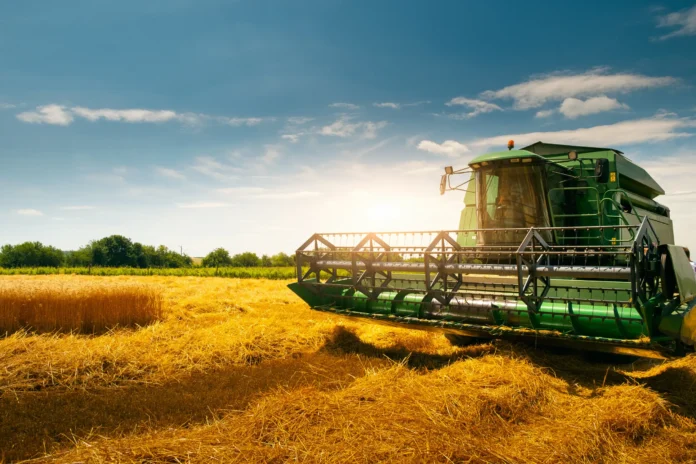
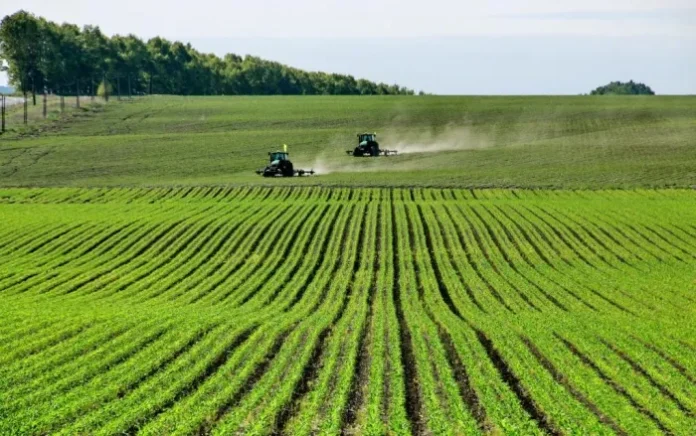
The new strategy emphasizes higher productivity rather than expanding cultivated land. Authorities plan to achieve this through improved seed varieties, upgraded farmland, advanced agricultural machinery and wider adoption of digital technologies. Artificial intelligence, precision farming and modern equipment are expected to play a greater role in raising crop yields while making production more efficient.
Oilseed production has also become a major priority. China remains one of the world’s largest importers of soybeans and other oilseeds, making supply diversification an essential part of its food security policy. Alongside efforts to increase domestic production, the government intends to broaden import sources and strengthen internationally competitive agricultural companies capable of supporting stable supply chains.
The plan extends beyond traditional farming. It includes investment in agricultural biotechnology, encouraging the development of microbial proteins, insect-based feed ingredients, bio-organic fertilizers and next-generation crop protection products. Officials believe these innovations can improve productivity while reducing the environmental footprint of agricultural production.
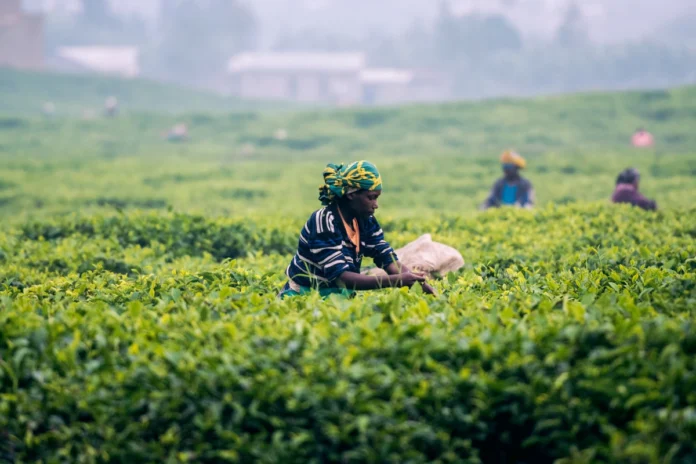
Producers have welcomed the renewed focus on agricultural modernization. Farmers in several provinces say access to better machinery and higher-performing seed varieties has already improved yields in recent seasons. Agricultural economists also note that combining modern technology with better soil management could deliver long-term gains without requiring significant increases in farmland.
According to official projections, the current plan is designed to lay the foundation for achieving agricultural and rural modernization by 2035. Analysts expect continued investment in research, smart farming and rural infrastructure to gradually narrow China’s dependence on imported oilseeds while sustaining growth in grain production. If implementation remains on schedule, the country could reach its 725 million tonne production capacity target before the end of the decade, reinforcing its position as one of the world’s leading agricultural producers while improving resilience against future disruptions in global food markets.