Arabfields, Meriem Senouci, Correspondent, Hanoï, Vietnam — Vietnam’s efforts to expand agricultural exports are facing a growing challenge in one of the country’s key farming provinces, where producers and authorities are struggling to secure the registration codes required for farming areas and packing facilities.
The problem is particularly significant in Dak Lak, a major agricultural hub in Vietnam’s Central Highlands. The province produces large volumes of coffee, durian, pepper and other commodities destined for domestic and international markets, making traceability increasingly important as overseas buyers impose stricter requirements.
Agricultural production codes are designed to identify the exact farming areas from which products originate. They are also intended to help authorities monitor production practices, chemical use, food safety and compliance with import requirements in foreign markets.
For farmers, however, obtaining and maintaining these codes can be complicated. Local authorities have reported difficulties related to documentation, technical requirements, land information and the need to maintain production practices that comply with export standards.
The issue has become more pressing as Vietnam’s agricultural sector moves toward higher-value exports. International buyers are increasingly demanding proof of origin and traceability, particularly for products such as durian and other fresh fruit, where food safety and plant-health requirements can determine whether shipments are accepted.
For small farming households, the administrative burden can be substantial. A farmer may meet production requirements but still face delays if documentation is incomplete or if a farming area fails to satisfy technical conditions. Cooperatives can help consolidate producers and standardise practices, but not every farming region has strong cooperative structures.
The difficulties in Dak Lak come at a time when Vietnam is seeking to strengthen the competitiveness of its agricultural exports. The country has increasingly moved away from relying solely on large export volumes and is placing greater emphasis on quality, processing, certification and traceability.
Durian illustrates both the opportunity and the risk. Vietnam has rapidly expanded its position in the international durian market, particularly in China. But the expansion has also brought tighter scrutiny of growing areas, packing facilities and phytosanitary controls.
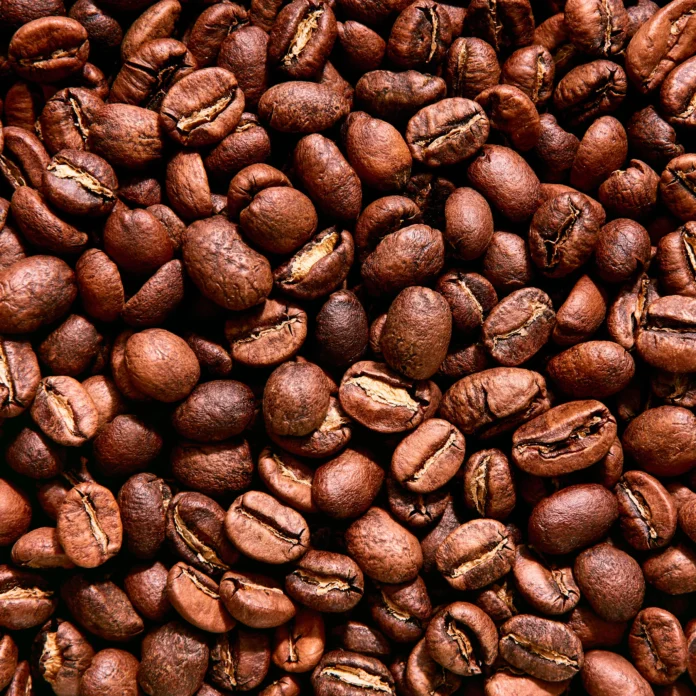
Coffee faces a similar transformation. Dak Lak is one of Vietnam’s most important coffee-producing areas, and higher global prices have increased the value of exports. Yet stronger prices alone will not guarantee long-term market access if producers cannot demonstrate consistent quality and traceability.
The registration system is therefore becoming an essential part of the agricultural supply chain rather than simply an administrative requirement.
Local authorities are expected to face increasing pressure to accelerate the processing of applications while ensuring that registered areas continue to meet export standards. That balance could become more difficult as the number of producers seeking access to international markets rises.
The outlook for 2027 will depend partly on how effectively Vietnam can simplify procedures without weakening controls. A more integrated digital system linking farmers, cooperatives, local authorities and exporters could reduce paperwork and make it easier to verify the origin of agricultural products.
For Dak Lak’s farmers, the stakes are significant. Access to a registered production area can determine whether a crop can enter a premium export channel or remain confined to lower-value markets.
If Vietnam succeeds in improving the registration system, Dak Lak could benefit from stronger access to high-value markets and greater confidence among international buyers. If delays and administrative bottlenecks persist, however, exporters could face higher costs and farmers could lose opportunities at a time when competition from other agricultural suppliers is intensifying.
The challenge is ultimately bigger than issuing registration numbers. Vietnam’s agricultural export ambitions increasingly depend on its ability to prove where food comes from, how it was produced and whether it meets the standards of increasingly demanding global consumers.