Arabfields, Meriem Senouci, Correspondent, Hanoï, Vietnam — Rice prices across Asia have climbed to their highest levels in nearly two years as an intensifying El Niño weather pattern threatens harvests in some of the world’s largest producing countries, raising concerns about food inflation and household spending.
The price of Thai 5% broken white rice, a key benchmark for the international market, reached $499 per metric ton on Wednesday, its highest level since December 2024, according to figures from the Thai Rice Exporters Association.
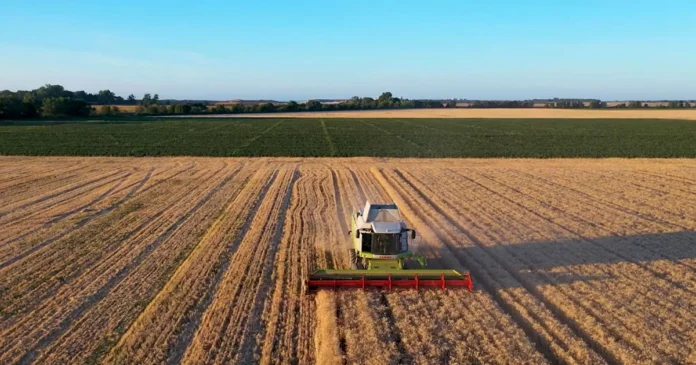
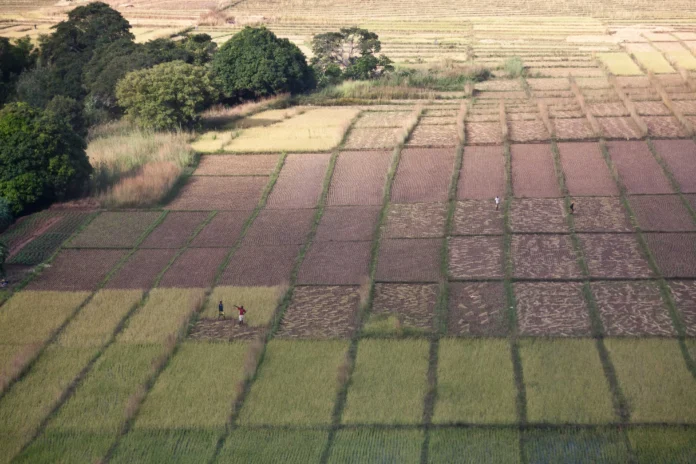
The increase comes as farmers across South and Southeast Asia face increasingly difficult growing conditions. Below-average rainfall and rising temperatures are adding pressure to agricultural production, particularly in India, Thailand and other major rice-producing economies.
The impact is already becoming visible in international commodity markets. Rough rice futures traded in Chicago have gained more than 80% since the beginning of 2026, reflecting growing concerns about future supply.
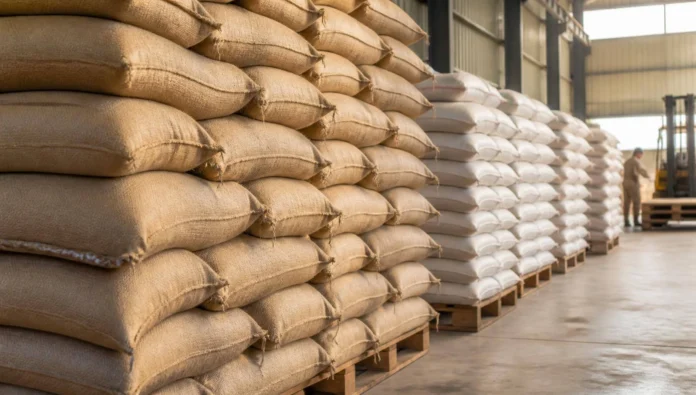
For millions of households, the developments carry consequences far beyond financial markets. Rice remains a central part of everyday diets across Asia, while many African and Middle Eastern countries also depend on imported supplies. Higher international prices could therefore translate into more expensive food bills, particularly for low-income families that spend a significant share of their income on basic food products.
In the Philippines, the world’s leading rice importer, domestic rice prices increased by 21% in October compared with the same month last year, according to government data. The rise illustrates how international supply pressures can eventually affect consumers, although the transmission of higher wholesale prices to retail markets varies between countries.
India, the world’s largest rice exporter, is among the countries facing significant production risks. The weaker monsoon associated with El Niño has increased uncertainty surrounding the country’s agricultural output. Thailand is also exposed, particularly in its off-season rice production, which depends heavily on irrigation and reliable water supplies.
The United States Department of Agriculture has warned that the main production risks in Thailand are concentrated in the off-season crop. Reduced water availability could limit planting opportunities and affect yields in the months ahead.
International production forecasts are also becoming less favourable. The US Department of Agriculture expects global rice production to decline in the 2026-27 season for the first time in more than a decade, while the United Nations Food and Agriculture Organization has also warned of a contraction in global output.
The outlook suggests that prices could remain under pressure into the first quarter of 2027, particularly if dry weather persists across major producing regions. Delayed planting, lower irrigation reserves and weaker harvests could further tighten export availability, although the eventual price trajectory will depend on weather conditions, government stock releases and international trade policies.
For importing countries, the situation presents a difficult economic challenge. Governments may face growing pressure to subsidise staple foods, increase strategic reserves or seek alternative suppliers to protect consumers from sudden price increases.
African markets could also feel the effects. Countries that rely heavily on imported Asian rice may face higher import bills, putting additional pressure on foreign exchange reserves and domestic food inflation. The consequences could be particularly severe where household purchasing power is already constrained.
For farmers, the coming months will be decisive. A prolonged period of dry weather could force some producers to reduce cultivated areas, switch to less water-intensive crops or invest in irrigation systems. However, such adjustments require financial resources that many small-scale farmers do not have.
The current price surge highlights the growing connection between climate conditions, agricultural supply chains and global economic stability. While a stronger harvest could ease market pressure later in 2027, persistent weather disruptions would leave importing nations and vulnerable households exposed to another period of elevated food costs.