Arabfields, Sana Dib, Financial Correspondent, Johannesburg, South Africa — South Africa’s canola industry is emerging as an agricultural success story, having transformed from a largely import-dependent market into a net exporter, supported by expanding cultivation, investment in processing facilities and growing demand for vegetable oils.
The country’s progress is particularly evident in the Western Cape, where farmers have steadily increased production of the winter crop over the past two decades. What began as a relatively small agricultural activity has developed into an increasingly important contributor to the country’s oilseed industry.
For the 2026/27 season, South Africa’s canola planting area is estimated at 197,890 hectares, compared with just 17,000 hectares when commercial cultivation began in 1998/99. The expansion represents more than an elevenfold increase in cultivated land.
Production prospects are equally encouraging. The country is expecting a record harvest of approximately 368,270 tonnes, representing a 20% increase from the previous season. Despite some unfavourable weather conditions in parts of the Western Cape, agricultural assessments indicate that the crop has performed relatively well.
The expansion has been driven by a combination of market demand and investment. As South African consumers and food manufacturers increase their use of vegetable oils, domestic processors have sought greater quantities of locally produced oilseeds. Canola meal, a by-product of oil extraction, has also become increasingly valuable for livestock feed production.
For farmers, the growing domestic market has created more opportunities to diversify their operations. In certain areas of the Western Cape, producers have shifted some land previously used for wheat towards canola, attracted by its improved profitability in recent seasons.
This transition has also changed the economic outlook for rural farming communities. Greater demand from processing companies provides farmers with additional commercial opportunities, while harvesting, transportation and processing activities support employment across the agricultural value chain.
South Africa’s emergence as a net exporter represents another important milestone. The country has shipped canola to European markets, including Germany and Belgium, demonstrating its ability to compete beyond domestic borders.
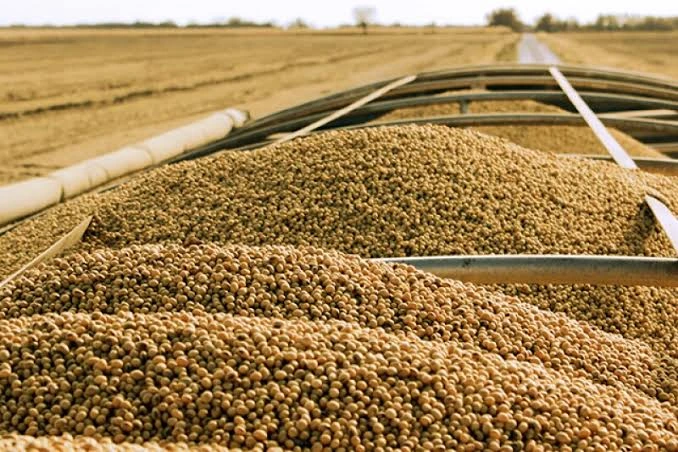
The transformation reflects a broader pattern in the country’s agricultural economy. South Africa’s soybean industry followed a similar trajectory after investment in crushing facilities encouraged farmers to expand cultivation. Annual soybean production has now reached approximately three million tonnes, with the country becoming a net exporter of soybeans.
Agricultural economist Wandile Sihlobo argues that the canola experience illustrates how investment, domestic demand and processing capacity can combine to create sustainable growth in agricultural production.
However, maintaining this momentum will require continued investment and effective agricultural policies. Climate variability remains a significant concern, particularly because canola production is concentrated in the Western Cape, where winter rainfall plays an essential role in determining yields.
The government is also considering opportunities to expand commercial agriculture through the planned release of approximately 2.5 million hectares of land. Successful implementation could create opportunities for new producers, provided land allocation is accompanied by financing, technical expertise and access to established agricultural markets.
Looking ahead, South Africa’s canola production could continue increasing if favourable market conditions encourage further planting and investment. The expected 368,270-tonne harvest in 2026/27 provides a strong foundation for additional growth, although future production will depend on rainfall patterns, input costs and international market prices.
Expanding processing capacity will be particularly important. Greater domestic oil extraction could increase the value generated locally, reduce dependence on imported vegetable oils and create additional export opportunities for both processed products and agricultural commodities.
The experience also offers lessons for other agricultural sectors seeking to reduce import dependence. Rather than focusing exclusively on increasing production, the canola industry demonstrates the importance of building reliable commercial links between farmers, processors and international buyers.
For South African producers, the challenge is now to turn a record harvest into lasting economic gains. With expanding cultivation, stronger processing capacity and access to international markets, canola is increasingly demonstrating that targeted investment can transform a relatively small agricultural industry into a competitive export business.