Arabfields, Sana Dib, Financial Correspondent, Johannesburg, South Africa — Rising diesel prices are placing additional pressure on South African farmers, increasing production expenses and raising concerns that higher costs could eventually reach consumers already struggling with household budgets.
Diesel prices rose by between R2.84 and R3.24 per litre in October, pushing inland wholesale prices above R31 per litre, with some grades exceeding R32. The increase marked the third consecutive month of diesel price hikes, adding to the financial challenges facing agricultural producers ahead of the summer planting season.
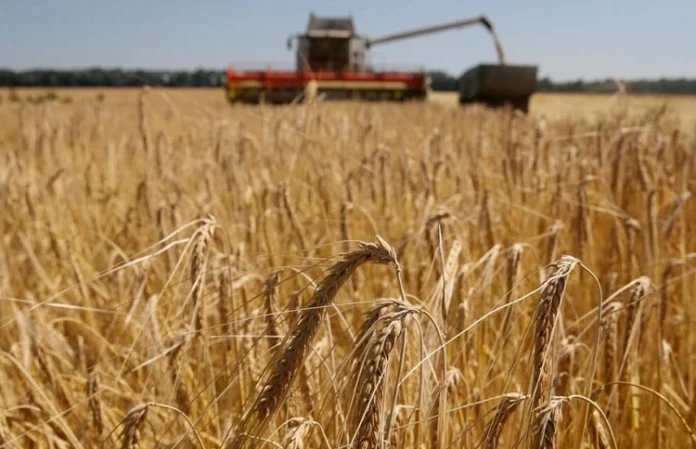
For farmers, the impact extends well beyond filling a tractor’s tank. Diesel powers machinery used for land preparation, planting, spraying and harvesting, while also supporting irrigation systems and the transportation of crops to processing facilities and markets.
Dr Walter Shiba, an agricultural economist in the Economic Analysis Unit at South Africa’s Agricultural Research Council, said rising fuel costs were creating additional pressure throughout the agricultural value chain. He warned that sustained increases could undermine farm profitability and place further strain on food security.
The financial impact can be substantial even when fuel consumption remains unchanged. An illustrative calculation for a 1,000-hectare maize farm, using an allowance of 75 litres of diesel per hectare, shows how higher prices can significantly increase seasonal expenditure. At October 2026 inland wholesale prices, the diesel bill for the same fuel allowance can reach approximately R2.4 million, compared with about R1.45 million a year earlier.
That represents an additional cost of roughly R946,000, before accounting for changes in fertiliser, seed, chemicals, labour or machinery maintenance.
For smaller producers, the pressure can be even more difficult to manage. Farmers with limited access to credit and smaller financial reserves have fewer options when operating costs rise unexpectedly. Some may delay machinery repairs, reduce cultivated areas or postpone investments in equipment, potentially affecting future production.
The consequences extend to consumers because South Africa relies heavily on road transport to move agricultural products between farms, distribution centres and urban markets. Fresh vegetables, fruit, meat and dairy products all depend on transport networks that become more expensive when fuel prices rise.
Transport companies may pass some of these additional costs on to food processors and retailers, which can eventually affect supermarket prices. Farmers, however, cannot always increase their selling prices to compensate for higher expenses, particularly when market competition limits their bargaining power.
The situation is developing against a wider backdrop of pressure on agricultural inputs. Fertiliser, crop protection products, labour and borrowing costs remain important expenses for producers. When several costs rise simultaneously, farmers may face difficult decisions about planting strategies, crop selection and investment.
The pressure is particularly relevant during the summer planting period, when producers must commit substantial resources before knowing how weather conditions and market prices will affect the eventual harvest.
A further diesel price increase in November remains a possibility. Mid-October data from South Africa’s Central Energy Fund indicated under-recoveries of R1.37 per litre for 500 parts-per-million diesel and R1.46 for 50 parts-per-million diesel. These figures suggest potential upward pressure on prices if market conditions remain unchanged, although the final adjustment will depend on movements over the remainder of the review period and any changes in government levies.
For farmers planning their budgets, the uncertainty makes it harder to estimate operating expenses and determine how much financing will be required to complete the season.
The outlook for food prices will depend on several factors, including international oil markets, exchange-rate movements, crop yields and the ability of producers and transport companies to absorb additional expenses. If diesel prices continue rising, the risk of further food price increases could grow, particularly for products requiring extensive transport or energy-intensive production.
However, higher fuel costs do not automatically translate into an immediate or uniform increase in retail food prices. Competition, existing inventories, harvest volumes and retailer margins can influence how quickly additional expenses reach consumers.
Several measures could help reduce the sector’s exposure. More efficient machinery, precision farming techniques and solar-powered irrigation systems could lower fuel consumption over time. Improvements to rural infrastructure and transport logistics could also reduce the cost of moving agricultural inputs and finished products.
Financial support for qualifying producers, including appropriately designed diesel rebates, could provide additional relief. Such measures would need to be assessed against their fiscal costs and their ability to reach farmers most exposed to rising expenses.
For now, the combination of higher fuel prices and elevated input costs presents a significant challenge for South African agriculture. If the pressure persists through the planting and harvesting cycles, farmers may face tighter margins while consumers could encounter renewed pressure on food budgets.
The central concern is whether producers can maintain output and investment while managing increasingly expensive operations. The answer will depend not only on future fuel prices but also on rainfall, harvest performance, market demand and the support available to vulnerable farming businesses.
For households, the issue is ultimately about affordability. The cost of diesel may be determined by global energy markets, but its effects can reach local communities through the price of everyday food.