Arabfields, Jamel derbal, Senior Correspondent, Innovation & Sustainability, Singapore — The International Grains Council has delivered an optimistic update on the world’s food grain outlook, significantly raising its projections for the 2025-26 season and signaling a period of abundant supply that could reshape global agriculture in the coming years. With global food grain production now forecasted to reach a historic high of 2.46 billion tonnes, an upward revision of 31 million tonnes from previous estimates, the world appears poised for a phase of robust output growth driven by favorable conditions in key crops such as wheat, maize, and barley. This substantial increase reflects improving yield expectations across major producing regions, setting the stage for enhanced food availability and potentially stabilizing influences on international markets well into the latter half of the decade.
At the heart of this bullish forecast lies a combination of higher anticipated harvests and steadily rising demand, yet production is expected to outpace consumption, leading to a buildup in inventories that could provide a buffer against future uncertainties. Global grain consumption for 2025-26 is projected to climb to 2.42 billion tonnes, marking a five-year peak fueled by expanding needs in food, animal feed, and industrial applications. This growth in usage underscores the continuing expansion of global populations and economies, particularly in developing regions where dietary shifts toward protein-rich foods drive feed demand. However, with output exceeding consumption by a comfortable margin, the surplus is likely to translate into greater resilience for the global food system, reducing the risk of sharp price spikes that have plagued markets in recent volatile years.
One of the most notable aspects of the revised outlook is the anticipated accumulation of carryover stocks, now estimated at 634 million tonnes by the end of the season, an increase of 15 million tonnes from earlier projections and the highest level in five years. These elevated inventories represent a significant cushion, offering protection against potential disruptions such as adverse weather events or geopolitical tensions that could affect future harvests. In the years ahead, such ample reserves may encourage more stable trading environments, allowing importing nations to secure supplies without panic buying and potentially moderating inflationary pressures on food prices for consumers worldwide.
Trade flows are also set to benefit from this abundance, with global grain trade volumes revised upward to 446 million tonnes, reflecting stronger export availabilities from major producers. This expansion in international shipments suggests that surplus production will find ready markets, supporting agricultural incomes in exporting countries while ensuring affordable access for deficit regions. Looking further out, sustained high trade levels could foster deeper integration in global supply chains, making the grain sector more interconnected and responsive to demand signals over the coming seasons.
Delving into individual crops, wheat emerges as a primary driver of the overall upward revision, with production now expected to reach 842 million tonnes, a substantial jump from the prior estimate of 830 million tonnes. This boost stems from improved prospects in key growing areas, where better weather and agronomic advancements are anticipated to deliver higher yields. Consumption of wheat is forecasted at 823 million tonnes, also revised higher, indicating steady demand for this staple in bread, pasta, and other essentials. With carryover stocks projected to rise to 283 million tonnes, the wheat market appears headed toward greater balance, potentially easing concerns about tightness that have lingered from previous seasons. In the medium term, this stronger supply position could support expanded planting in subsequent years, as farmers respond to favorable economics, paving the way for continued high output through 2027 and beyond.
Maize, another cornerstone of global grain supplies, sees a more modest but still positive adjustment, with production estimated at 1.31 billion tonnes, up slightly from the nearly 1.30 billion tonnes previously foreseen. This crop’s outlook benefits from expectations of solid harvests in major producers, where technological improvements and expanded acreage contribute to the gains. Consumption is similarly lifted to 1.30 billion tonnes, highlighting maize’s critical role in animal feed and industrial uses such as biofuels. The close alignment between production and usage suggests a tightly balanced market, yet the slight surplus should help replenish stocks gradually. Over the next few years, if these trends persist, maize could maintain its position as a reliable high-volume commodity, supporting growth in livestock sectors and contributing to overall food security in feed-dependent economies.
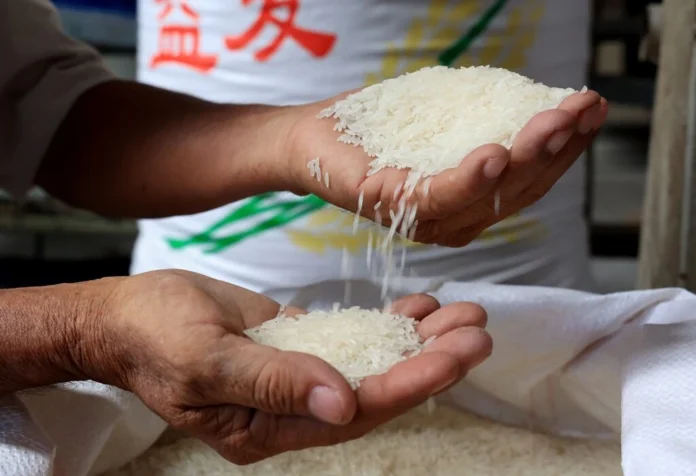
Rice, often considered the most vital staple for billions in Asia and beyond, holds steady in production at 543 million tonnes, unchanged from earlier views, reflecting stable expectations across traditional growing belts. However, consumption has been adjusted downward to 538 million tonnes, creating a wider margin for stock accumulation. This divergence points to efficient supply management and possibly moderated demand growth in some areas, allowing for a comfortable buffer. In future seasons, rice’s stable production trajectory could prove invaluable, especially as climate variability poses ongoing challenges, ensuring that this essential calorie source remains accessible and affordable for the world’s most populous regions.
Soybeans, while tracked separately, add another layer of positivity to the broader agricultural picture, with production raised to 427 million tonnes and consumption to 432 million tonnes. Trade in soybeans is expected to remain robust at 187 million tonnes, underscoring the crop’s importance in global protein supply chains. The slight deficit implied here may draw down inventories marginally, but within the context of abundant grains overall, it poses limited risk. Looking ahead, soybeans’ strong demand growth, particularly for oil and meal, could stimulate further acreage expansion, potentially leading to record outputs in subsequent cycles and reinforcing the protein availability that underpins modern diets.
Taken together, these forecasts paint a picture of a global grain sector entering a phase of exceptional strength, where record production and building stocks provide a foundation for stability extending into the late 2020s. The projected surpluses offer policymakers and markets breathing room to address longer-term challenges, such as sustainable farming practices and adaptation to climate shifts. For farmers, the outlook suggests opportunities for profitable operations, encouraging investments in productivity that could yield even higher harvests down the line. Consumers, particularly in vulnerable areas, stand to gain from potentially softer prices and reliable supplies, alleviating pressures on household budgets.
Moreover, the elevated trade projections signal that this abundance will be shared globally, benefiting import-reliant nations through consistent inflows and reducing the likelihood of regional shortages. In an era marked by previous supply shocks, this fortified position could mark a turning point toward greater predictability, allowing economies to plan with confidence around agricultural inputs. As demand continues its upward climb, driven by population growth and industrial innovation, the ability of production to keep pace, and even exceed it, bodes well for a future where food grains remain a cornerstone of global prosperity.
Ultimately, the revised estimates highlight the resilience of the world’s agricultural systems, capable of delivering substantial gains even amid complex global dynamics. With stocks at multi-year highs and trade flowing freely, the 2025-26 season could set a precedent for sustained abundance, influencing market sentiments and policy decisions for years to come. This optimistic horizon encourages a forward-looking approach, where stakeholders harness current strengths to build an even more secure and productive grain economy in the decades ahead.