Arabfields, Naïla Mokhtari, North, South and Central America Correspondent — Paraná is heading into the 2026/27 summer crop with expectations of a record harvest, as farmers prepare to plant amid favourable production prospects but growing attention to weather risks.
The state’s Department of Rural Economy, known as Deral, estimates that summer crops could produce about 27 million tonnes, around 3% more than the previous season. If the projection is confirmed, it would mark the largest summer harvest ever recorded in Paraná.
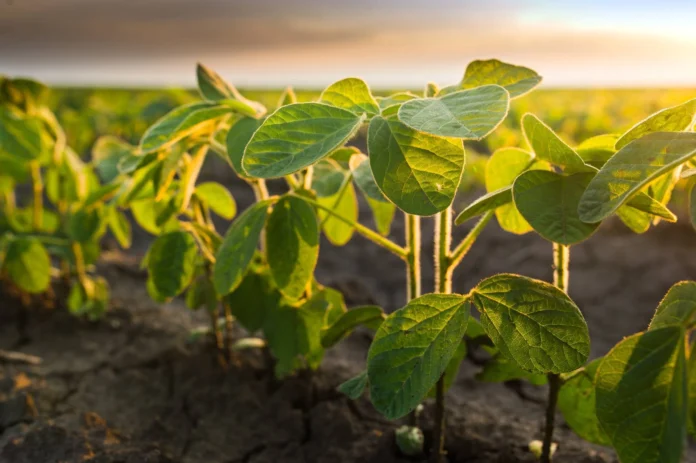
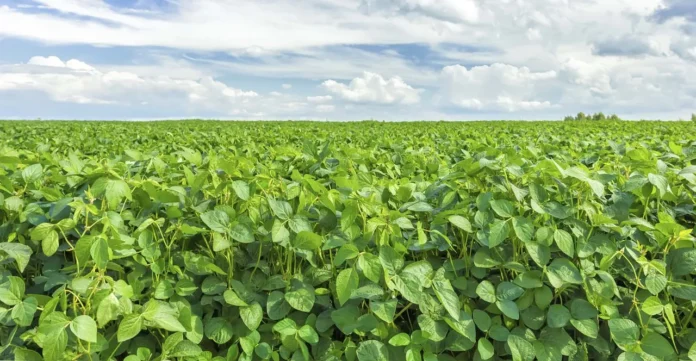
Soybeans are expected to provide most of the increase. Production is forecast at 22.64 million tonnes, up about 4% from the 21.80 million tonnes harvested in the previous season. The estimated planted area is almost unchanged at 5.76 million hectares, suggesting that higher productivity rather than a major expansion of farmland will drive the increase.
Average soybean yields are expected to exceed 3,900 kilograms per hectare, compared with about 3,802 kilograms last season. For farmers, that difference could prove significant after several years in which weather conditions have repeatedly disrupted production plans.
In rural communities across Paraná, the beginning of the planting season is more than a technical milestone. It determines the pace of activity for machinery operators, truck drivers, agricultural suppliers and temporary workers whose incomes depend heavily on the crop calendar.
A farmer preparing machinery for the new season faces a familiar calculation. Higher yields can improve revenues, but they also require careful management of fertiliser, fuel, machinery and weather-related risks. A record harvest on paper will only translate into stronger farm income if production costs and market prices remain favourable.
Corn is expected to follow a different path. First-crop corn acreage is projected to rise by about 2% to 373,000 hectares, but production is forecast to fall slightly to 4.10 million tonnes from 4.14 million tonnes in 2025/26.
The shift reflects changing economics in different parts of the state. Corn is gaining ground where producers can achieve particularly high yields and where demand from Brazil’s livestock and protein industries supports prices. In some high-productivity areas, yields can exceed 14 tonnes per hectare, making corn more attractive than soybeans for some farmers.
Beans, meanwhile, are losing ground in the first summer crop. The area planted with first-crop beans is expected to fall 12% to 90,300 hectares, with production forecast at 180,800 tonnes, down about 6% from the previous season.
The change reflects a broader adjustment in planting strategies. Some farmers are replacing beans with soybeans during the summer and moving bean production into the second crop, where conditions may offer better economic returns.
Weather will ultimately determine whether Paraná reaches the projected record. The 2026/27 season is beginning under the influence of El Niño, which tends to bring more frequent rainfall to southern Brazil, particularly during spring. That could provide useful moisture for crops, but excessive or poorly distributed rainfall could also disrupt planting and reduce productivity.
September and October will be crucial for establishing the main summer crops. Between November and January, rainfall will become increasingly important as soybeans and other crops enter key stages of development, flowering and grain filling. Heavy rain during February and March could then create difficulties during harvesting.
The balance between rainfall and sunlight will therefore be closely watched by farmers throughout the season. A favourable start will not be enough to secure the projected 27 million tonnes if weather conditions deteriorate during the most sensitive stages of crop development.
Based on the current projections, soybean productivity will be the main factor behind the potential record. If the estimated yield of more than 3.9 tonnes per hectare is achieved and weather conditions remain broadly supportive, Paraná could maintain production above 27 million tonnes in the coming season.
For the state’s agricultural economy, the implications extend beyond the fields. A larger harvest means more grain moving through storage facilities, roads, railways and ports, while stronger production can increase demand for transport, agricultural services and rural labour.
The outlook remains positive, but farmers are approaching the season with caution. For now, Paraná has the land, technology and productive capacity to deliver a historic summer crop. Whether the record becomes reality will depend largely on what happens between the first planting operations in September and the final harvests early next year.