Arabfields, Shanghai, China — In a significant development for South Africa’s agricultural sector, Minister of Agriculture John Steenhuisen has signed a trade protocol with China, allowing exports of the country’s stone fruit to the world’s largest market for the first time. The agreement covers five categories, apricots, peaches, nectarines, plums, and prunes, & represents an unusual case where multiple fruit types were approved at once by Chinese authorities.
The signing ceremony took place this week in Shanghai, with Steenhuisen and Sun Meijun, head of China’s General Administration of Customs, formalizing the deal amid strengthening bilateral relations. Steenhuisen described the protocol as a key breakthrough for South African fruit producers, emphasizing its role in diversifying markets and building resilience in the industry.

With South Africa’s stone fruit season now underway, growers can begin preparing shipments under the new guidelines. In the past, China typically negotiated access for individual fruit categories, making this comprehensive approval a notable shift. Exporters are expected to need time to adapt to the protocol’s phytosanitary standards before volumes ramp up.
The deal is projected to add around R400 million to the industry’s revenue over the next few years, with potential for further growth. China’s demand for peaches and plums is rising rapidly, with current consumption levels exceeding South Africa’s total production. By capturing even a small share of this market, South African exports could reach 5% of China’s stone fruit imports within a decade.
This expansion is also anticipated to create jobs, supporting hundreds of new positions in farming, packing, and logistics. The industry, centered in regions like the Western Cape and Limpopo, has been pushing for greater access to Asian markets. Improved infrastructure, including transport links, will help facilitate shipments via sea and air.
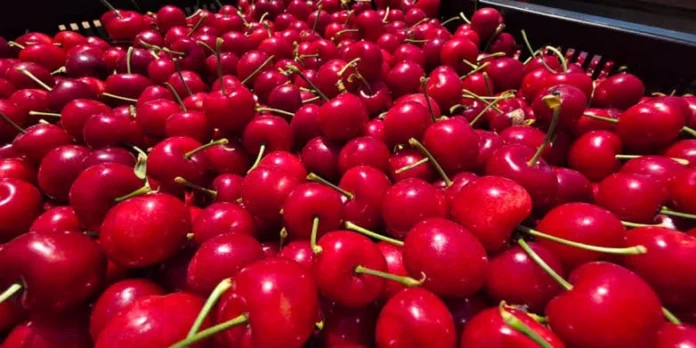
Beyond stone fruit, the agreement has opened pathways for other produce. Steenhuisen has invited Chinese plant health officials to inspect South African blueberry and cherry facilities, aiming to finalize approvals soon. He noted that completing these steps could enable shipments starting next season.
South Africa is currently in its peak blueberry harvest, with cherries beginning in November and ending by January. If inspections proceed quickly, exports could commence as early as 2026. These high-value crops already have strong demand in Europe and the Middle East, and entry into China would further reduce reliance on traditional markets.
The protocol highlights the growing economic partnership between South Africa and China, its top trading partner for more than a decade. Discussions during the signing also explored resuming beef exports and addressing other agricultural issues, pointing to broader collaboration ahead.
The coming months are pivotal, with South Africa hosting the G20 Summit in November. Details of a potential free trade agreement between China and African countries may emerge there, potentially easing tariffs and boosting investments.
For South African farmers, this deal offers a chance to expand production, create employment, and adapt to global shifts. As Steenhuisen stated, it helps make the agriculture sector less dependent on established buyers and more attuned to emerging consumer trends. With the stone fruit season in motion and inspections for other fruits on the way, the outlook is promising for deeper ties with one of the world’s most vibrant economies.