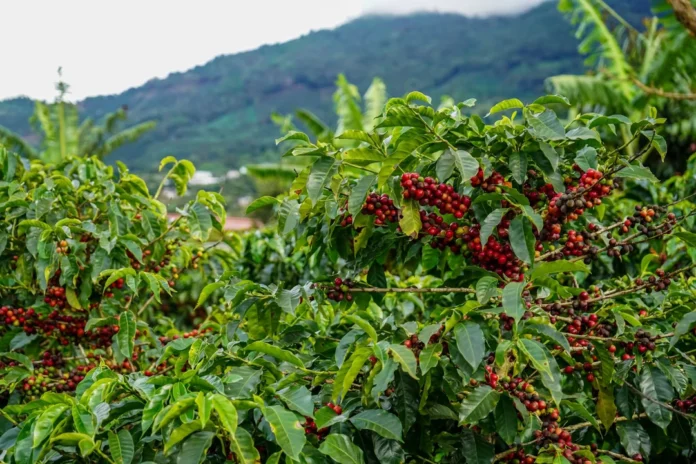
Arabfields, Maleeka Kassou, East, West and Central Africa Agriculture Correspondent — Togo’s coffee and cocoa sector is facing a mixed season, with production rising during the 2025-2026 campaign while exports move in the opposite direction, highlighting the challenges facing farmers and traders in turning higher output into stronger overseas sales.
The latest figures for the sector point to improved production conditions for the two export crops, which remain an important source of income for thousands of rural households. For growers, however, a better harvest does not automatically mean better access to international markets or higher revenues.
In farming communities, the contrast has been particularly visible. Producers have benefited from increased output, but weaker export volumes have raised concerns among traders and agricultural households whose incomes depend on the movement of crops from plantations to foreign buyers.
The decline in exports comes at a time when global agricultural markets remain highly sensitive to weather conditions, supply disruptions and changing demand. Coffee and cocoa prices have experienced significant volatility in recent years, creating opportunities for producing countries but also increasing uncertainty across supply chains.
For Togo, the challenge is increasingly shifting from production alone to the broader organisation of the value chain. Higher harvest volumes can put pressure on storage, transport and marketing systems if exports fail to keep pace with supply.
The 2026 data suggest that the country could face a larger domestic availability of coffee and cocoa if the gap between production and exports persists. This may affect farmgate prices and increase pressure on local traders unless new markets or processing opportunities emerge.
Industry participants are also watching developments in major consuming markets, particularly in Europe, where traceability and sustainability requirements are becoming more important for agricultural imports. Such regulations could create additional costs for exporters but may also encourage investment in more transparent and organised supply chains.
For farmers, the outlook will depend heavily on whether stronger production can be translated into stable demand. A grower with a larger harvest still faces uncertainty if buyers reduce purchases or if logistics slow the movement of crops towards export markets.
Looking ahead, the outlook for the next campaign will depend on weather patterns, international commodity prices and Togo’s ability to improve the commercial side of its coffee and cocoa industries. If production continues to expand while export volumes remain under pressure, policymakers and industry players may need to focus more heavily on processing, storage capacity and market diversification.
The longer-term opportunity could lie in moving beyond the export of raw commodities. Greater local processing could help retain more value within the country, create jobs and reduce dependence on fluctuations in international demand.
For now, the 2025-2026 campaign offers a clear reminder that higher agricultural production is only one part of the equation. For Togo’s coffee and cocoa farmers, the real test will be whether the additional crops produced can ultimately find profitable markets, both at home and abroad.