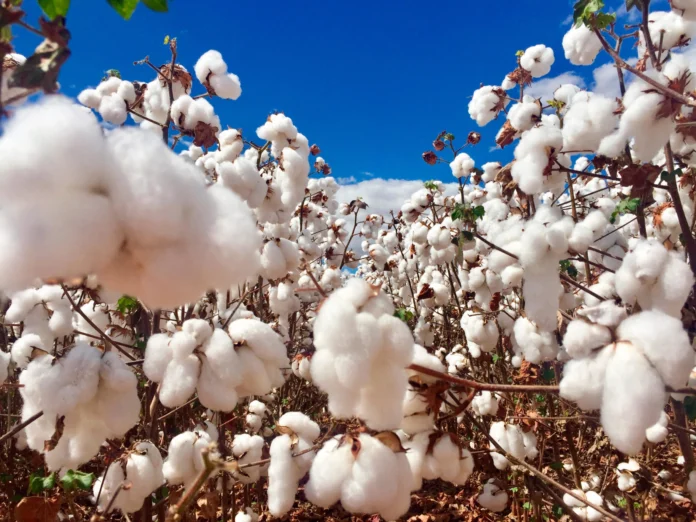
Arabfields, Sophia Daly, Financial Analyst specialized in Agriculture and Futures Markets — The agricultural landscape of West Africa is currently witnessing a massive transformation, driven by an intense and highly competitive race for dominance in cotton production. Often referred to as white gold, cotton remains a fundamental pillar of the agricultural economy for several nations in the region. As the 2026 agricultural season concludes and transitions into the 2027 forecasts, the traditional hierarchy of producers is being aggressively reshuffled. Historical leaders are fighting to reclaim their former glory, ambitious contenders are solidifying their newfound supremacy, and other nations are struggling to convince their disillusioned farmers to return to the fields. The stakes have never been higher, with rural livelihoods, national export revenues, and regional prestige all hanging in the balance.
In the center of this dynamic shift is Benin, a country that has recently established itself as the undisputed heavyweight of West African cotton. Having successfully overtaken Mali in previous cycles, Benin is not resting on its laurels but is instead doubling down on its agricultural strategy. For the 2026 to 2027 season, the national government has set an unprecedented production target of 700,000 tons of seed cotton. This ambitious goal is underpinned by a robust framework of state support designed to maximize farmer output and shield the agricultural sector from the volatility of global markets. To ensure that this massive target is met, authorities have introduced a highly attractive incentive structure, including a direct bonus of 10 CFA francs for every single kilogram produced if the national harvest exceeds the 700,000 ton threshold. Furthermore, to help farmers navigate the crippling costs of international agricultural inputs, the government has substantially increased the national fertilizer subsidy budget by nearly 23 percent, bringing the total financial commitment to an impressive 31.87 billion CFA francs, equivalent to roughly 56.9 million dollars. This calculated financial intervention ensures that Benin remains the most attractive environment for cotton cultivation in the region.
While Benin celebrates its rise to the top, Mali is meticulously plotting a massive comeback. Historically the regional powerhouse, Mali suffered a disappointing harvest of 433,700 tons in the previous season, a setback that cost the nation its leadership position. Refusing to accept this secondary status, the state owned textile development company is orchestrating a highly aggressive expansion strategy for 2026 and beyond. The new production target is fixed at a staggering 598,500 tons, representing an enormous 38 percent increase from the prior year. Achieving this monumental leap requires more than just optimism, it necessitates a massive expansion of the physical footprint of cotton cultivation. Officials plan to expand the total planted area by nearly 18 percent, reaching a total of 630,000 hectares across the nation. However, this expansion brings its own set of formidable challenges. The Malian agricultural sector is heavily burdened by the constant threat of pests, most notably the devastating jassid leafhopper, which has historically decimated entire harvests. To combat this, the Malian strategy relies heavily on state subsidized insecticides, pesticides, and fertilizers, creating a highly controlled but financially demanding environment for the farmers who are tasked with reclaiming the regional crown.
Similarly, Burkina Faso is executing a dramatic recovery plan after facing its own severe agricultural downturns. The country experienced a devastating drop in output, yielding only 314,293 tons in the previous cycle. To reverse this alarming trend, Burkina Faso has announced one of the most aggressive year over year growth targets in the entire region, aiming for a total production of 532,000 tons of seed cotton for the 2026 to 2027 season. This represents a staggering 69 percent increase, a goal that borders on the miraculous without significant systemic support. To make this possible, the government has implemented strict price controls on essential farming inputs. By deploying a massive 15.8 billion CFA franc subsidy program financed directly by the cotton companies, the cost of a standard 50 kilogram bag of fertilizer has been frozen at 17,500 CFA francs. This price cap is an absolute necessity, serving as a critical financial safety net that allows local farmers to keep their production costs manageable in an otherwise unpredictable economic climate.
Operating deeply in the shadow of these three aggressive giants is Ivory Coast, a nation taking a significantly more cautious and constrained path toward agricultural recovery. Unlike its neighbors who are projecting massive, record breaking leaps in production, Ivory Coast is focusing purely on stabilization and modest rebuilding after two consecutive seasons of severe decline. The national association of cotton companies has established a highly conservative target of 400,000 tons of seed cotton for the 2026 to 2027 season. While this figure technically represents a 29 percent increase from the previous disastrous harvest, it remains far below the historical capacity of the Ivorian agricultural sector. The reality on the ground in Ivory Coast is fraught with deep structural and sociological challenges that cannot be easily solved with simple financial subsidies.
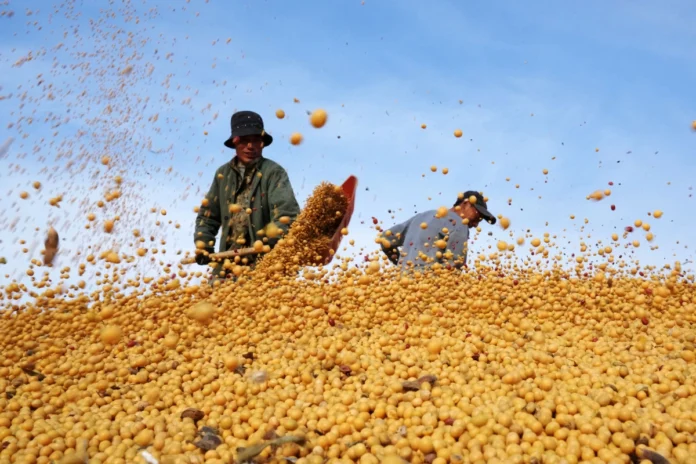
The most pressing crisis facing the Ivorian cotton industry is a massive exodus of human capital. Years of volatile prices, combined with the catastrophic damage caused by the jassid pest infestations, have completely eroded farmer confidence. Many agricultural workers have realized that cotton is simply too risky and requires too much expensive chemical intervention to remain profitable. As a result, the labor force is actively pivoting toward alternative cash crops that offer higher profit margins and lower operational risks, specifically soybeans and cashew nuts. The 2026 official statistics paint a grim picture of this demographic shift, revealing that the total number of active cotton growers in Ivory Coast plummeted by nearly 20 percent, dropping to an alarming low of just 79,979 individuals. This shrinking labor force is the ultimate bottleneck for the sector, proving that all the available land in the world cannot generate a harvest without the dedicated farmers willing to cultivate it.
Looking ahead, the future forecasts for the entire West African cotton corridor remain heavily dependent on external global forces and internal policy decisions. While production targets for the late 2026 and 2027 seasons are universally optimistic, the underlying foundation of the industry is incredibly fragile. The continued reliance on massive government subsidies to artificially suppress the cost of fertilizers and pesticides creates a precarious financial dependency. If state budgets falter or global chemical prices spike beyond the capacity of these subsidies, the ambitious targets set by Benin, Mali, and Burkina Faso could collapse instantly. Furthermore, the ecological threat remains an ever present shadow over the region. The increasing variability of the climate, coupled with the persistent mutation and spread of crop destroying pests, means that a single bad weather event or a new wave of insect infestations could instantly wipe out the projected gains.
Ultimately, the West African cotton sector is entering a defining era where sheer acreage is no longer the sole metric of success. The true victors in this agricultural race will be the nations that can modernize their farming practices, improve their processing efficiency to extract more usable fiber per harvest, and most importantly, maintain the loyalty of their rural workforce. Ivory Coast serves as a vital cautionary tale for the entire region, demonstrating that when farmers lose faith in the economic viability of the crop, no amount of historical prestige can prevent an industry from shrinking. As 2026 progresses into 2027, the world will be watching to see if Benin can maintain its expensive lead, if Mali and Burkina Faso can execute their dramatic comebacks, and if Ivory Coast can finally stop the bleeding and convince its farmers that white gold is still worth pulling from the earth.