Arabfields, Naïla Mokhtari, Special Economic Correspondent, Toronto, Canada — The relentless grip of winter has tightened across North America, sending shockwaves through the grain markets as extreme cold snaps have frozen significant stretches of the Mississippi River, severely disrupting the vital artery of agricultural transportation. This natural waterway, crucial for moving massive volumes of corn, soybeans, wheat, and related products from the heartland to global export points, has faced unprecedented challenges in recent weeks, with ice formation reducing water levels, restricting navigation, and driving up freight costs dramatically. As barges struggle to navigate the narrowed channels, exporters scramble to fulfill commitments, processors contend with operational hurdles, and prices across multiple commodities have responded with notable firmness, reflecting the immediate strain on supply chains during a period when demand remains steady both domestically and internationally.
The Mississippi River, often described as the backbone of the United States grain export system, handles a substantial portion of the nation’s agricultural output, facilitating the southward flow of harvests to Gulf Coast ports like New Orleans, where shipments are loaded onto ocean-going vessels bound for markets around the world. When freezing temperatures descend, as they have in the week leading up to late January 2026, ice accumulates not only on the surface but also affects underlying water levels, forcing barge operators to lighten loads, reduce draft depths, and sometimes halt movement altogether in affected sections. This has led to restricted barge drafts, fewer available vessels, and elevated freight rates, particularly for shipments scheduled through January, February, and March. Traders have reported that parts of the river have been effectively iced over, making it harder for grains to reach key ports, and this logistical bottleneck has rippled outward, tightening availability and pushing costs higher at a time when the post-harvest movement is still in full swing.
In the corn market, the effects have been particularly pronounced, with cold weather directly contributing to higher freight expenses for deliveries to the Gulf region. Outright prices saw sharp increases toward the end of the affected week, including rises of over two dollars per metric ton for near-term shipments to New Orleans and more than three dollars for Gulf positions further out. These adjustments stemmed largely from the navigation challenges, as frozen sections kept water levels suppressed, complicating the journey southward and prompting exporters to bid aggressively to secure limited barge space. Beyond transportation, the intense cold has raised concerns about temporary slowdowns in grain crushing operations, where low temperatures can disrupt ethanol production, a major demand driver for corn. Recent data showed ethanol output dipping noticeably, with margins already under pressure, suggesting that prolonged freezing conditions could further constrain processing capacity and add upward support to corn values in the coming weeks.
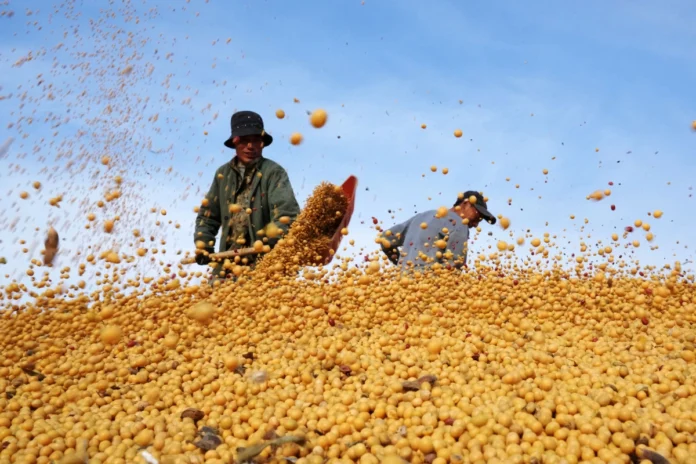
Soybeans have similarly felt the pinch, with the basis for deliveries along the river finding solid support from the same river restrictions. As barge availability dwindled and drafts were curtailed to navigate the icy waters, fewer beans could be transported per vessel, exacerbating shortages at export terminals and forcing market participants to compete fiercely for positioning. The basis levels strengthened significantly, reflecting the premium exporters were willing to pay to ensure supplies reached the Gulf amid the chaos. This firmness in the cash market has provided a buffer against broader pressures, even as outright prices aligned with corn in showing resilience. With another potential winter storm on the horizon and temperatures expected to remain low in the near term, the soybean sector faces ongoing risks of delayed shipments and heightened volatility, particularly as global buyers monitor the situation for any signs of reduced U.S. competitiveness.
Wheat markets across North America have experienced some of the most dramatic reactions, as sub-zero temperatures plunged deep into the winter wheat growing regions, raising alarms about potential winterkill where protective snow cover has been absent. In the Northern Plains, readings dipped to extreme lows, exposing dormant crops in several states to direct cold stress for extended periods, prompting a swift rally in futures contracts. Hard red spring wheat, hard red winter wheat, and soft red winter varieties all posted gains, driven by fears that unprotected fields could suffer damage, reducing yield potential ahead of the spring growing season. Although some insulating snow began to accumulate in key areas by late in the week, providing a measure of relief, the initial exposure has left analysts cautious, noting that while widespread devastation is unlikely, localized losses could still emerge. Canadian wheat values tracked the U.S. strength closely, with premiums holding firm as producers hesitated to sell into a market buoyed by weather risks, further amplifying the upward momentum.
Related products like dried distillers grains with solubles, a byproduct of ethanol production, have also tightened considerably, as winter disruptions combined with rising energy costs led to dryer shutdowns at processing plants and logistical headaches across rail and river networks. Nearby supplies grew scarce, pushing values higher in both barge and truck markets, with traders describing a brewing mess as freezing conditions and impending storms threatened to compound the challenges. The interplay between cold weather and natural gas prices has been a key factor, incentivizing temporary production cuts that reduce output just when transportation woes are already limiting movement.
Looking ahead, the outlook for North American grain markets remains heavily influenced by weather patterns expected to persist into February 2026. Forecasts indicate a possibility of continued cold blasts and additional storm systems moving through the Mississippi River valley and broader Midwest, which could extend the period of ice formation and navigation restrictions, keeping freight rates elevated and barge traffic constrained. If freezing conditions linger without adequate snow insulation for winter wheat, the risk of crop damage could intensify, potentially leading to further rallies in wheat futures and tighter domestic supplies come spring planting. For corn and soybeans, prolonged disruptions might delay export programs, erode U.S. market share to competitors with smoother logistics, and sustain basis strength at Gulf ports, ultimately translating to higher costs passed along the supply chain to end users. Ethanol and DDGS markets could face similar pressures if processing interruptions continue amid high energy demands for heating.
However, should temperatures moderate as some longer-range outlooks suggest, with a potential pattern shift bringing milder air later in the month, the river could thaw relatively quickly, easing barge drafts and restoring more normal flow rates, which would alleviate much of the current premium in freight and basis levels. Snow accumulation from incoming systems might also provide crucial protection for vulnerable wheat crops, limiting actual winterkill and allowing markets to refocus on abundant global supplies rather than weather premiums. In this scenario, prices could stabilize or even soften as pent-up producer selling resumes and export pace accelerates. Yet, given the intensity of the current arctic outbreak and signals of persistent winter severity in parts of the region, the balance of risks tilts toward continued support for grain values in the short term, with exporters and processors likely to remain on high alert for any escalation in disruptions.
The broader implications for the agricultural sector are significant, as these weather-induced challenges highlight the vulnerability of relying on a single major waterway for such a large share of grain movement. Farmers in the interior, already navigating tight margins, may see delayed cash flows if shipments backlog, while international buyers could turn elsewhere if U.S. reliability wavers. Energy markets intersect here too, with cold-driven demand for natural gas affecting not just heating but also industrial uses in grain processing. As February unfolds, market participants will watch river gauges, temperature trends, and storm tracks closely, knowing that the difference between a brief interruption and a prolonged squeeze could shape pricing dynamics well into the spring. In an industry where timing is everything, this arctic intrusion serves as a stark reminder of nature’s power to reshape economic realities overnight, compelling adaptation and vigilance across the entire North American grain complex. The coming weeks will determine whether this cold snap fades into a manageable winter episode or evolves into a more enduring force influencing harvests, trade flows, and food security on a global scale.