Arabfields, Farah Benali, Economic Correspondent, China — Global agricultural markets are once again turning their attention toward China after signs emerged that Beijing could significantly increase purchases of American farm products over the coming years. Traders across Europe and South America reacted cautiously this week as speculation over renewed Chinese demand pushed grain prices higher and revived memories of the strong commodity rallies seen earlier in the decade.
According to trade projections circulating among market analysts, China could commit to importing at least $17 billion in U.S. agricultural goods annually between 2026 and 2028. The figures immediately sparked movement on soybean, wheat and corn markets, particularly in Chicago, where futures climbed after reports of larger Chinese buying volumes.
Inside the grain terminals of Rouen and Hamburg, exporters spent much of the week monitoring Chinese policy signals and shipping data. One French grain broker described the atmosphere as “tense but optimistic,” explaining that even rumors of increased Chinese demand can reshape prices worldwide within hours. Farmers in northern France also expressed concern that stronger Chinese imports could tighten global supplies and increase volatility during the next harvest season.
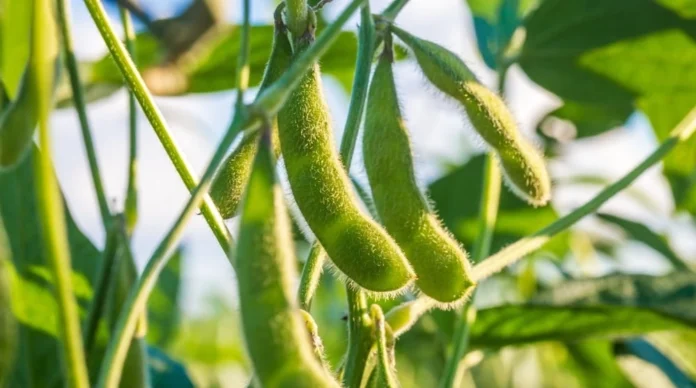
China already represents the world’s largest soybean importer, accounting for more than 60% of global soybean trade volumes. The country’s dependence on imported feed products has continued to grow alongside rising meat consumption and expanding livestock production. Analysts say any major increase in Chinese purchases would likely benefit exporters in the United States and Brazil while creating pressure on global grain inventories.
Market specialists noted that soybean futures in early 2026 climbed sharply after reports that Chinese imports could rise to nearly 20 million additional tonnes compared with earlier forecasts. Investment funds quickly returned to agricultural commodities, amplifying price movements across several crop markets.
The renewed focus on China also arrives amid persistent trade tensions between Washington and Beijing. Chinese authorities imposed tariffs on several American agricultural products in recent years, including corn, wheat and soybeans, but both sides have recently shown signs of seeking a more stable commercial relationship.
Economists believe the situation could reshape global trade flows well beyond 2026. If Chinese imports continue rising through 2027, exporters may accelerate investments in storage facilities, transport infrastructure and soybean cultivation, particularly in Brazil and the United States. European traders are also watching closely, fearing that stronger Asian demand could increase feed costs for livestock producers across the continent.
For many farmers, however, the debate goes beyond market speculation. In western France, cereal grower Luc Martin said producers remain cautious after years of unpredictable prices and geopolitical shocks. “When China buys heavily, prices move fast, but farmers have learned not to celebrate too early,” he said while preparing machinery for the summer harvest.
Analysts expect agricultural markets to remain highly sensitive to Chinese import decisions during the coming months. With global grain stocks already under pressure from climate disruptions and logistical uncertainty, even moderate increases in Chinese buying activity could trigger another period of sharp price swings across international commodity exchanges.