Arabfields, Habiba Masmoudi, Economic Correspondent, Tunisia — Water scarcity is becoming one of the defining challenges for Tunisia’s agricultural sector, forcing farmers, researchers and public institutions to rethink how food is produced in one of North Africa’s most water-stressed countries.
Agriculture remains a vital part of Tunisia’s economy, providing employment for hundreds of thousands of people and supporting rural communities across the country. However, declining rainfall, prolonged heatwaves and growing pressure on groundwater reserves have made access to water increasingly uncertain for many producers.
According to the latest national estimates for 2026, renewable freshwater resources available per person have fallen to well below the internationally recognized water scarcity threshold. Agriculture continues to account for nearly 80 percent of the country’s freshwater consumption, highlighting the urgency of improving irrigation efficiency while maintaining agricultural output.
In the central governorate of Kairouan, olive grower Mohamed Ben Salem says the weather has become far less predictable than it was a decade ago. “We cannot rely on the seasons anymore,” he explains. “Every drop of water matters, and we have learned that using less water does not necessarily mean producing less, if the right technology is available.”
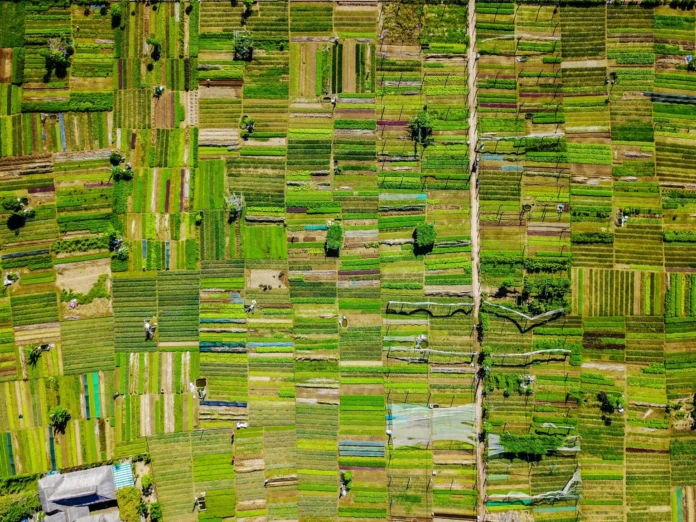
That technology is increasingly visible across Tunisian farms. Precision irrigation systems, soil moisture sensors and satellite-based monitoring tools are helping farmers apply water only when crops require it. Several agricultural cooperatives have also begun introducing digital platforms that allow producers to monitor weather conditions and irrigation schedules in real time.
Researchers are working alongside farmers to develop crop varieties that can better tolerate drought and high temperatures. Universities and agricultural research centers are expanding field trials on cereals, vegetables and fruit trees that require less irrigation while maintaining acceptable yields. These efforts are supported by partnerships involving public institutions, international organizations and private technology companies.
The adoption of treated wastewater for agricultural irrigation is also receiving greater attention. Although its use remains limited, authorities believe recycled water could become an increasingly important resource for certain crops as freshwater supplies continue to decline. Investments in modern irrigation networks are expected to reduce water losses that currently affect parts of the country’s distribution system.
Official agricultural data for 2026 indicate that farms using advanced irrigation technologies have reported water savings ranging from 25 to 40 percent, depending on crop type and local conditions. At the same time, digital monitoring systems have helped many producers improve crop management while reducing unnecessary water consumption.
Agricultural economist Leila Hammami believes innovation alone will not solve Tunisia’s water challenges, but says it offers practical solutions when combined with effective public policy. “Technology gives farmers new opportunities,” she says. “Its success depends on investment, training and making these solutions accessible to small producers.”
Looking ahead, sector analysts expect climate pressures to intensify over the coming decade, making efficient water management a central pillar of Tunisia’s agricultural strategy. Based on current investment trends and the steady expansion of precision farming technologies, experts project that the share of irrigated farms using smart water management systems could continue rising significantly by the early 2030s. If infrastructure upgrades, research programs and farmer training maintain their current pace, Tunisia could improve agricultural resilience while slowing the depletion of its limited water resources, despite increasingly difficult climatic conditions.