Arabfields, Lamia Cherifa, Special Economic Correspondent, Moscow, Russia — Russia significantly increased its agricultural exports to Africa during the first half of 2026, highlighting the growing importance of the continent in Moscow’s long-term trade strategy. Strong demand for wheat and other food commodities helped push the value of shipments to approximately 2.9 billion dollars, representing a 35 percent increase compared with the same period a year earlier, while export volumes climbed by about 40 percent to more than 11 million tonnes.
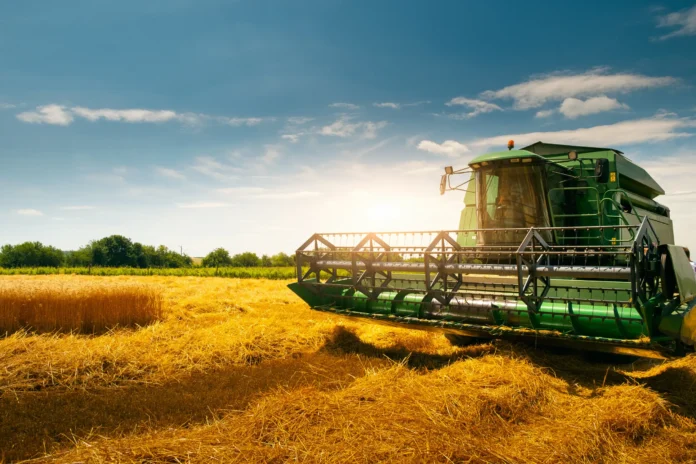
Wheat remained the dominant product, accounting for more than 90 percent of all agricultural exports to African markets. Barley, soybean oil and molasses also contributed to the expansion, reflecting broader efforts to diversify Russia’s food trade with countries across the continent. Egypt retained its position as the largest destination, representing roughly 44 percent of Russia’s agricultural exports to Africa, while deliveries to Sudan, Kenya and several other African nations recorded notable growth.
Exporters say the increase reflects stronger commercial relationships and rising food demand in Africa, where population growth continues to drive grain consumption. A grain trader involved in shipments through Black Sea ports said African buyers are seeking reliable long-term suppliers capable of delivering large quantities despite ongoing challenges in global agricultural markets.
African importers have also welcomed the expansion. Food processors and mill operators in several countries say stable wheat supplies are essential for maintaining bread production and limiting price volatility. Industry observers note that stronger trade links could encourage additional investment in storage facilities, logistics and port infrastructure over the coming years.
The growth comes despite persistent pressures on Black Sea shipping routes. Rising transportation costs and security concerns have complicated exports from the region, yet Russian suppliers have largely maintained deliveries to international customers. Analysts say preserving efficient logistics will remain critical if export growth is to continue.
Looking ahead, agricultural economists expect Russia’s presence in African food markets to strengthen further as demand for imported grain continues to rise. Continued investment in export infrastructure and deeper commercial partnerships could support additional increases in wheat and processed agricultural shipments. If current trends continue, Africa is likely to remain one of the fastest-growing destinations for Russian agricultural exports over the remainder of the decade, reinforcing the continent’s strategic role in Russia’s global food trade.