Arabfields, Farah Benali, Economic Correspondent, China — China is expanding an agricultural training model that brings university researchers and farmers together, offering developing countries practical approaches to food security, rural development and poverty reduction.
The initiative, known as the Science and Technology Backyard program, is attracting students from Africa who are learning farming techniques in China’s Hebei province before applying their knowledge to agricultural challenges in their home countries.
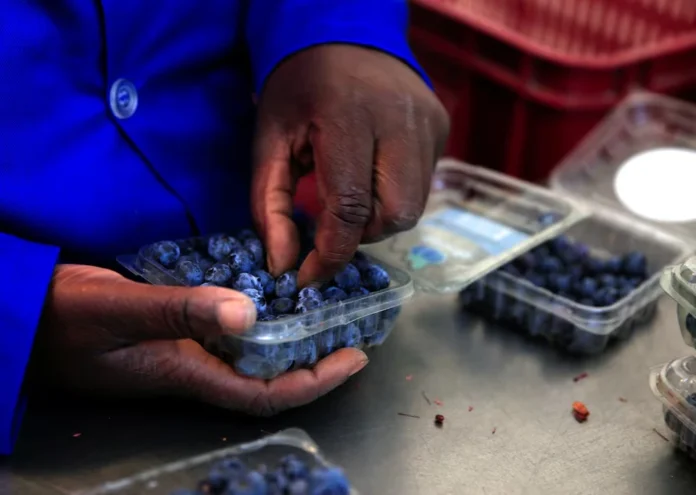
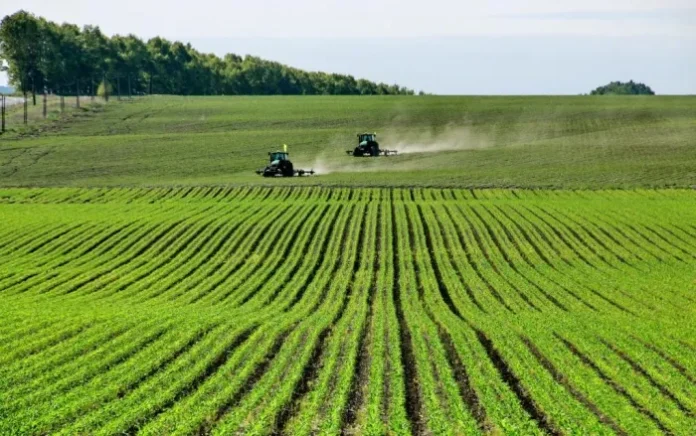
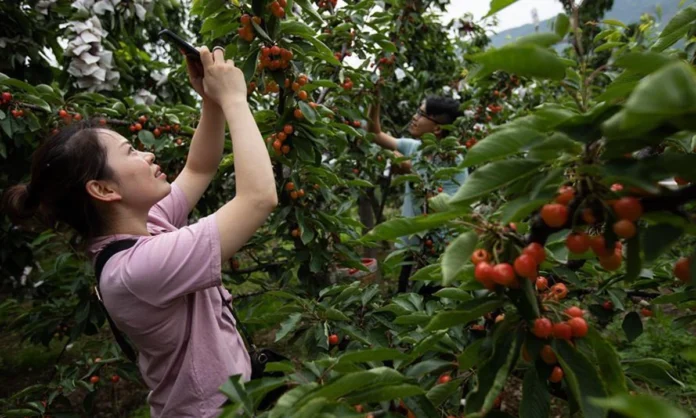
In Quzhou county, students work directly alongside researchers and local farmers. Their training includes operating tractors, collecting soil samples and testing cultivation methods in the field. The hands-on approach is designed to help participants understand how agricultural solutions can be adapted to local conditions.
For students from countries such as Malawi, the experience offers an opportunity to move beyond classroom theory. Agricultural challenges at home often vary according to soil conditions, rainfall and access to farming equipment, making locally adapted knowledge important for improving productivity.
The program was launched by China Agricultural University in Quzhou in 2009. Researchers and graduate students live and work within farming communities, combining academic research with practical services for rural households.
The model’s expansion to other developing countries reflects China’s efforts to share agricultural expertise with partners in the Global South. Rather than relying solely on imported techniques, the program emphasizes cooperation between researchers, students and local farmers.
In Malawi, Chinese agricultural experts have worked with participants in the Science and Technology Backyard program, including activities connected to corn production in Lisasadzi. Such field-based cooperation is intended to support farmers facing challenges linked to food availability and rural livelihoods.
The human dimension of the initiative is central to its development. Students gain experience in the daily realities of farming, while researchers receive an opportunity to observe how agricultural methods perform outside their original environment. Farmers, meanwhile, can participate in trials aimed at addressing practical production constraints.
The approach could gain further importance in the coming years as developing countries seek ways to improve agricultural output while managing climate pressures, limited resources and population growth. The program’s future impact will depend on whether techniques tested during training can be successfully adapted, financed and maintained by local farming communities.
Further cooperation between Chinese universities and agricultural institutions in Africa could lead to expanded training, additional field experiments and more localized farming solutions. However, the results are likely to vary between countries, depending on infrastructure, access to inputs and the specific needs of farmers.
For participating students, the program offers more than technical instruction. It provides exposure to a model in which research is conducted alongside the people expected to use its results, a method that could shape agricultural cooperation between China and developing countries in the years ahead.