Arabfields, Lamia Cherifa, Special Economic Correspondent, Moscow, Russia — Russia and South Africa are seeking to expand agricultural trade and strengthen commercial ties as exporters explore new opportunities in grain, food processing and other agricultural products.
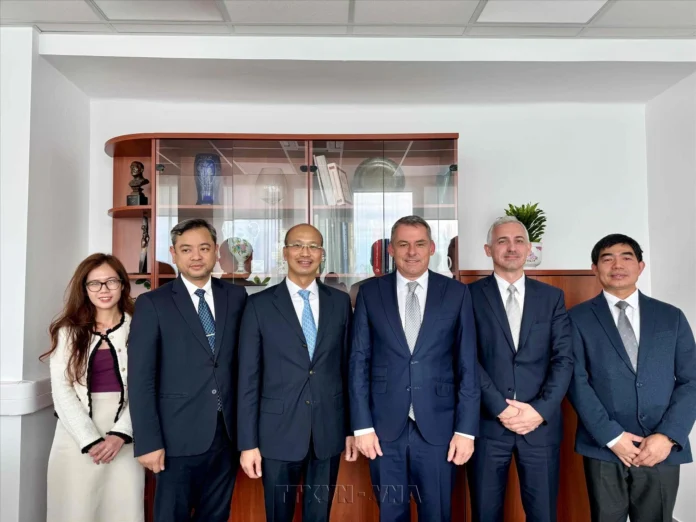
The initiative gained momentum during a business mission by Russian agricultural exporters to South Africa on October 12, organised to strengthen direct contacts between companies and identify opportunities for closer cooperation.
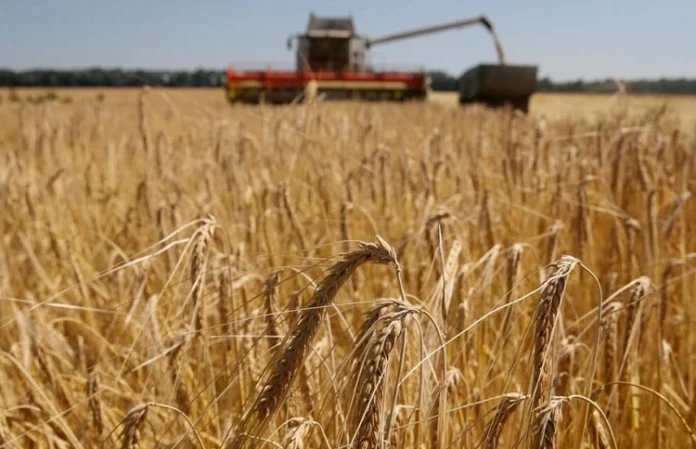
Russia supplied South Africa with approximately 230,000 tonnes of agricultural products worth more than $54 million during the first nine months of 2026, according to figures from Russia’s Agroexport centre. Wheat accounted for the overwhelming majority of the value, at more than $51.5 million, followed by instant coffee worth about $1.1 million and millet valued at approximately $770,000.
The figures underline the importance of grain shipments in the relationship, while highlighting the potential to diversify trade into additional food products and agricultural businesses.
For Russian exporters, South Africa offers access to a substantial consumer market and a potential entry point into wider African markets. South African importers, meanwhile, can explore alternative suppliers of agricultural commodities as businesses seek to manage purchasing costs and maintain reliable supplies.
Denis Belous, a representative of the Russian Embassy in South Africa, said the priority was to translate strong political relations into increased trade, industrial cooperation and joint projects. He argued that stronger direct links between entrepreneurs would help turn diplomatic engagement into practical commercial results.
The broader trade relationship has already shown growth. Bilateral trade between Russia and South Africa reached $907.8 million in 2025, an increase of 6.2% from the previous year. Russian exports traditionally include fertilisers and grain, with compound fertilisers, wheat, nitrogen fertilisers and potash accounting for substantial portions of shipments.
Agricultural cooperation therefore extends beyond food supplies. Fertilisers are important inputs for South African crop producers, while grain shipments support the country’s food and processing industries. Strengthening these supply chains could create opportunities for businesses involved in storage, distribution and agricultural processing.
The latest business mission included planned meetings with the South African Meat Processors Association and the South African Meat Importers and Exporters Association. Representatives of Russian companies were also expected to hold business-to-business discussions with South African firms and visit the Johannesburg production facility of QK Meats SA.
These engagements could help identify opportunities in meat processing and other food-related industries, although the discussions do not in themselves constitute signed supply agreements or guarantees of additional trade.
For South African businesses, closer commercial links could widen the range of available suppliers and create new export opportunities for local agricultural products. For Russian companies, direct contact with processors, importers and distributors may help them understand market requirements, establish business relationships and identify products with realistic growth potential.
The two countries are also members of the BRICS grouping, which provides a platform for broader economic engagement among emerging and developing economies. However, converting that relationship into higher agricultural trade will depend on commercial competitiveness, transport arrangements, regulatory requirements and reliable payment channels.
Looking ahead, Russia’s agricultural exports to South Africa could increase if business discussions lead to new contracts and a wider range of products enters the market. Wheat is likely to remain a central commodity in the near term, given its dominant share of current export revenues, while processed foods and other agricultural goods could provide additional opportunities.
The scale of any expansion remains uncertain. No specific bilateral agricultural trade target or timetable for reaching one was announced as part of the business mission. Continued growth will depend on whether companies can agree on prices, logistics and supply terms that work for both markets.
For producers and exporters, the next step is to turn meetings into repeat orders and long-term commercial relationships. If that happens, agricultural trade could become a more substantial component of economic cooperation between the two countries.
For now, the discussions signal a shared interest in expanding trade, with wheat and fertilisers providing an established foundation and food processing offering a potential avenue for future growth.