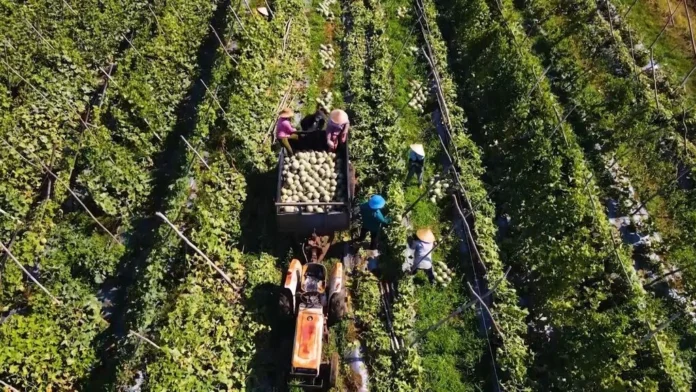
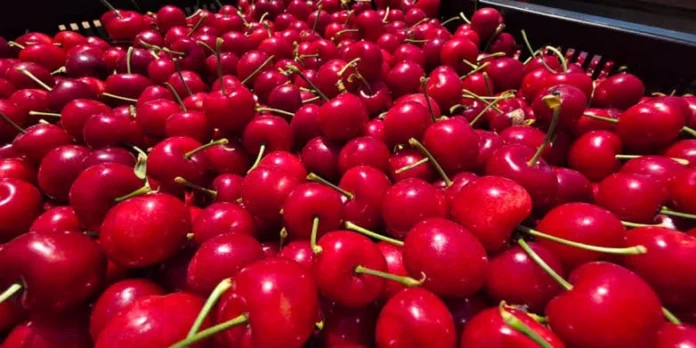
Arabfields, Fatou Kouyaté, Economic Correspondent in Algiers — Algeria has recently achieved remarkable milestones in its agricultural sector, particularly with record-breaking production levels in key crops such as apples. This surge, driven by the cessation of imports and robust state support, highlights the country’s growing capacity to meet domestic food needs. However, the abundance has not always translated into affordable prices for consumers, as seen in the case of apples primarily grown in the eastern regions of Batna and Khenchela. These two wilayas alone account for up to 60 percent of the national market demand, yielding over four million quintals from approximately 12,000 hectares. Despite this success, the average citizen has often faced higher prices, prompting discussions on national radio programs where experts like Ibrahim Djribia, president of the Chamber of Agriculture in Algiers, emphasized the need for better coordination in commercialization to ensure smooth distribution and fair pricing.
Djribia stressed that farmers are committed to satisfying citizens’ needs and cautioned against misdirecting blame toward producers. He pointed out that the plentiful apple harvest is a clear indicator of Algeria’s progress toward food security. Today, Algerian agriculture supplies more than 75 percent of the nation’s production, reflecting significant advancements across strategic sectors despite challenges from climate variability. Many production chains are thriving, supported by young entrepreneurs working alongside agronomists to optimize yields. A notable trend is the decreasing reliance on pesticides, with Algeria maintaining relatively low usage compared to other countries, thanks to traditional farming methods and heightened awareness of environmental and health impacts. Much of the seed production, especially for major crops like cereals, now occurs domestically, furthering the goal of self-sufficiency.
Looking ahead, Algeria’s focus on priority sectors promises even greater autonomy. Cereals stand out as a key area, with ambitions to produce nine million tonnes annually to fully cover national requirements. For over three decades, no cereal seeds have been imported, a testament to the expertise of local engineers at the Institute of Major Crops. Major initiatives are underway, including the Baladna project in partnership with Qatar, set to launch in 2026 and described as a transformative endeavor encompassing cereals, red meat, and dairy. Similarly, a collaboration with Italy involves developing 36,000 hectares in Timimoun for cereals and pasta production. These ventures, combined with ongoing efforts to resolve land tenure issues for agricultural investment and integrate scientific research more effectively with fieldwork, position Algeria for sustained growth. By the end of the decade, these projects could significantly boost output, reducing import dependencies further and stabilizing food supplies amid global uncertainties.
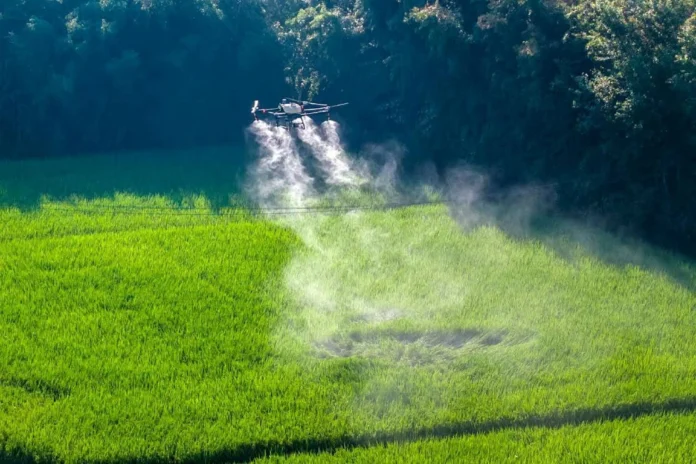
This low-pesticide approach distinguishes Algeria from intensive agricultural models elsewhere. In contrast, large-scale wheat and lentil production in Canada often involves substantial pesticide application, including the widespread use of glyphosate as a pre-harvest desiccant to dry crops uniformly and facilitate harvesting in shorter growing seasons. This practice, common in the Prairies where most Canadian wheat and lentils are grown, leads to detectable residues in grains and pulses, sometimes prompting concerns in export markets with stricter limits. Canadian farmers apply herbicides, fungicides, and insecticides extensively to manage weeds, diseases, and pests across vast fields, contributing to higher overall pesticide intensities than in Algeria’s more traditional systems. While effective for yields, such methods raise questions about long-term soil health and residue accumulation. Algeria’s emphasis on minimal chemical inputs, rooted in cultural practices and policy, offers a sustainable alternative that could inspire future global shifts toward reduced pesticide dependency as environmental pressures mount.
As Algeria continues to expand irrigated areas, invest in modern techniques, and prioritize domestic seed and production chains, the trajectory points toward full self-sufficiency in staples like cereals, dairy, and meat by the 2030s. This not only enhances food security but also positions the country as a model for balanced agriculture that prioritizes health, environment, and economic resilience in an era of climate challenges. The ongoing integration of youth, research, and international partnerships will likely accelerate these gains, ensuring that abundant harvests benefit producers and consumers alike in the years to come.