Arabfields, Sophia Daly, Financial Analyst specialized in Agriculture and Futures Markets — Global cocoa markets remained under pressure on June 4 as traders continued to monitor supply conditions in West Africa, while manufacturers and consumers adjusted to a period of historically high prices.
Cocoa futures have eased from the exceptional peaks recorded earlier in the year but remain at levels well above historical averages. Market participants say concerns over production in major exporting countries continue to influence trading activity despite signs of gradual stabilization in some growing regions.
The global cocoa sector has experienced one of its most turbulent periods in decades. Consecutive harvest shortfalls in Côte d’Ivoire and Ghana, which together account for more than half of world cocoa production, have reduced available supplies and pushed prices sharply higher. Industry estimates indicate that global cocoa production in the 2025/26 season is expected to reach approximately 4.8 million metric tons, while demand remains close to 5 million tons.
Trade flows have remained active despite elevated costs. Cocoa bean exports from West Africa continue to supply processing industries in Europe, Asia and North America, where chocolate manufacturers are adapting to a more expensive raw material environment. Importers have increased efforts to diversify sourcing and improve inventory management as market volatility persists.
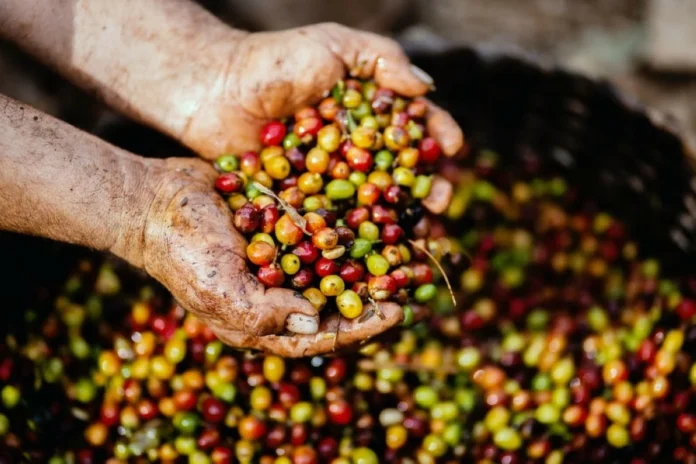
In Abidjan, cocoa farmer Koffi Kouamé said higher prices have improved revenue prospects for many growers. However, he noted that rising costs for fertilizers, labor and transportation have reduced part of the financial benefit. “Prices are strong, but production expenses are also much higher than before,” he explained.
Processing companies are facing similar challenges. Several chocolate manufacturers have introduced price adjustments while investing in productivity measures to offset rising raw material costs. Despite these pressures, consumer demand has remained relatively resilient across major markets, particularly for premium chocolate products.
Industry data show that global cocoa grinding activity, a key indicator of demand, has slowed slightly compared with previous years but continues to reflect solid consumption levels. Emerging markets in Asia and the Middle East are also contributing to long-term growth in chocolate demand, helping support the industry’s outlook.
Analysts expect market conditions to remain tight during the remainder of the current season. Weather patterns in West Africa will continue to play a decisive role in determining future production levels. Any improvement in harvest yields could help ease supply concerns and moderate prices, while adverse weather could quickly reignite upward pressure.
Looking ahead, forecasts suggest that global cocoa demand could exceed 5.2 million metric tons before the end of the decade as population growth, urbanization and rising incomes support chocolate consumption worldwide. Production is also expected to increase, particularly through investments in farm rehabilitation, improved planting materials and sustainable agricultural practices.
For now, the cocoa market remains focused on balancing limited supplies with steady international demand. Traders, farmers and manufacturers agree that the coming harvests will be critical in shaping price trends and trade flows across the global cocoa industry.