Arabfields, Sana Dib, Financial Correspondent, Johannesburg, South Africa — South Africa has officially become the world’s leading citrus exporter, marking a significant milestone for one of the country’s most important agricultural industries. Strong harvests, improved logistics and growing international demand have helped the nation move ahead of long-time competitors, reinforcing its position in global fruit markets.
Government figures show that South Africa exported approximately 2.9 million tonnes of citrus during the previous season, the highest volume ever recorded by the industry. Export shipments also surpassed 203 million 15-kilogram cartons, highlighting the continued expansion of production across major farming regions.
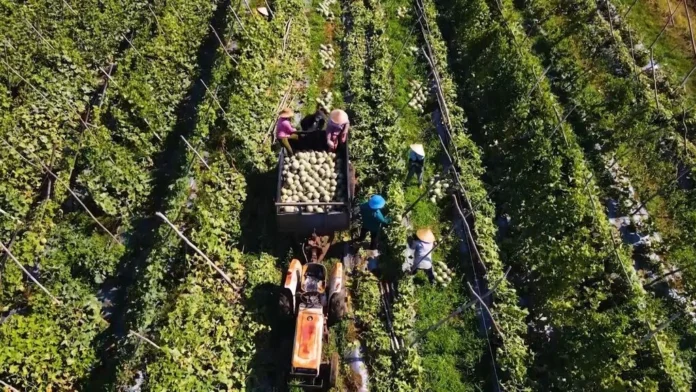
For growers, the achievement represents years of investment in orchards, irrigation systems and export infrastructure. Farm workers and packing facilities have also benefited from the industry’s growth, with thousands of seasonal jobs supported during the harvesting and shipping period. Producers say the milestone reflects the dedication of farming communities that have worked through weather challenges, rising production costs and supply chain disruptions.
The European market remains the largest destination for South African citrus, while exports to the Middle East, Asia and North America continue to expand. Industry representatives believe the country’s reputation for high-quality oranges, lemons, mandarins and grapefruit has strengthened relationships with international buyers seeking reliable year-round supplies.
The sector is expected to maintain its positive momentum. Current forecasts suggest export volumes could increase by around 5 percent during the next shipping season if weather conditions remain favorable and port operations continue to improve. Investments in logistics, cold-chain facilities and new export markets are also expected to support additional growth over the coming years.
Despite the optimistic outlook, growers acknowledge that global trade uncertainties, transportation costs and geopolitical tensions remain important risks. Even so, industry leaders believe South Africa is well positioned to strengthen its leadership in the international citrus trade, supported by rising production capacity and continued demand from consumers around the world.