Arabfields, Farah Benali, Economic Correspondent, China — Rural tourism is gaining momentum in northeast China as the National Day holiday brings millions of travelers to destinations beyond the country’s major cities, giving villages and farming communities new opportunities to generate income from tourism.
The week-long holiday has become an important period for domestic travel, with visitors increasingly looking for experiences linked to local food, rural landscapes, traditional culture and everyday life. In northeast China, local communities are using the holiday rush to showcase agricultural activities and rural attractions while creating additional sources of income for residents.
For farmers and small business owners, the shift has brought tourism closer to the center of local economic activity. Guesthouses, restaurants, farms and cultural attractions can all benefit when visitors stay longer and spend more money in rural areas.
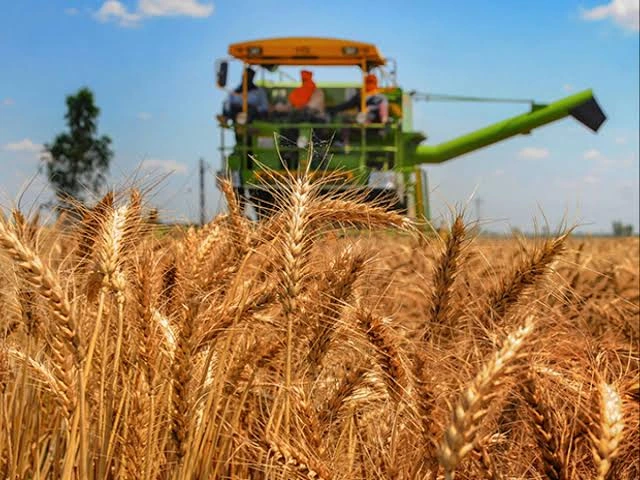
The development of agritourism also gives travelers a different experience from conventional city tourism. Visitors can explore agricultural areas, sample local products and experience regional traditions, while rural communities gain a direct connection to the growing domestic tourism market.
The trend comes as China’s tourism industry continues to diversify. Holiday travelers are increasingly spreading their spending across a wider range of destinations, creating opportunities for smaller communities that were previously less prominent on the national tourism map.
The northeast has particular potential because of its combination of agricultural resources, distinctive regional culture and natural landscapes. Developing these assets into tourism products could help local businesses extend the economic benefits of major holiday periods beyond traditional sightseeing.
For residents, the effect can be tangible. A busy holiday season can mean more customers for a family restaurant, additional bookings for a rural guesthouse or higher demand for locally produced food and handicrafts. These small transactions can become an important part of household income when tourism remains steady.
The outlook for rural tourism will depend on whether destinations can turn short holiday surges into more regular visitor flows. Better transport connections, improved accommodation and year-round cultural and agricultural activities could help reduce the sector’s dependence on peak travel periods.
If demand for rural experiences continues to expand, agritourism could become an increasingly important component of China’s regional development strategy. For northeast China, the challenge will be to convert the visibility generated during the National Day holiday into sustainable business activity throughout the year.